I have the cutest book ever to share with you today. Literally! 🤣
Unfortunately you’ll have to wait a few weeks to read it, but you can preorder it (or reserve it at your library) now!
Title: Fluffy McWhiskers Cuteness Explosion
Written By: Stephen W. Martin
Illustrated By: Dan Tavis
Publisher: Margaret K. McElderry Books, November 2, 2021, fiction
Suitable For Ages: 4-8
Themes/Topics: self-acceptance, friendship, humor
text copyright Stephen W. Martin 2021, illustration copyright Dan Tavis 2021, Margaret McElderry Books
Opening: “Fluffy McWhiskers was cute. Dangerously cute. Yes, Fluffy McWhiskers was so cute that if you saw her. . . you’d explode.”
Brief Synopsis: Fluffy is an adorable kitten. But she’s so adorable that anyone who sees her spontaneously explodes into balls of sparkles and fireworks! How will she ever find a friend?
text copyright Stephen W. Martin 2021, illustration copyright Dan Tavis 2021, Margaret McElderry Books
Why I Like This Book: Sometimes, a book is just plain fun, and this is one of those books. I mean, not really. It’s not really fun! It’s serious! Spontaneous explosions happen! People KABOOM into balls of sparkles and fireworks! Fluffy is dangerous! In an effort to save people, she tries to make herself less cute. But a bad haircut just makes her cuter. And wearing a bag over her head just makes her ridiculously cute. Even exiling herself to outer space doesn’t cut it. What next? I won’t tell you because you should read the book! But beneath the silliness and hilarity is a story about wanting to protect others, learning to accept yourself, and finding friendship where you least expect it, as well as the suggestion that cuteness is in the eye of the beholder. The art is bright and fun and adorable. Fluffy is SO CUTE! But you already knew that. 😊 Young readers will love Fluffy. How could they not?
text copyright Stephen W. Martin 2021, illustration copyright Dan Tavis 2021, Margaret McElderry Books
PPBF folks, please add your titles and post-specific blog links (and any other info you feel like filling out 😊) to the form below so we can all come see what fabulous picture books you’ve chosen to share this week!
Today’s installment of Tuesday Debut will be of special interest to those of you who want to write for youngest audiences. Although we usually feature picture books, today’s debut is a board book. I thought we might all learn a thing or two from debut-ess Rebecca Mullin about first-time publishing in this fun and wonderful format.
Rebecca has generously provided a copy of her book as a giveaway, so one lucky commenter will be randomly chosen to win the book! Please comment on this post by Sunday September 19 at 9PM Eastern to qualify for the random drawing!
And now, without further ado, please join me in welcoming Rebecca Mullin as she kindly shares her journey to publication of ONE TOMATO – a book she wrote for her daughter and which was illustrated by her niece!
One Tomato Written by Rebecca Mullin Illustrated by Anna Mullin Rubber Ducky Press, May 1, 2021 Counting board book for 2-6 year olds
Count the vegetables as you harvest the garden beginning with one ripe tomato! Ants, moles, bees and other garden friends join in the fun. Watch for the sneaky yellow dandelion. Learn about growing healthy foods while counting to ten in One Tomato!
SUSANNA: Welcome, Rebecca! Thank you so much for joining us today. We’re all excited to hear about publishing a board book. Where did the idea for this book come from?
REBECCA: One night while cooking dinner I asked my daughter to pick a zucchini from our garden. She came back with a cucumber! We needed some help with vegetable identification! So, I contacted my niece, Anna Mullin, to make a poster of the vegetables we grew in our garden. At the time, Anna was a senior biology major at Earlham College and had a side-hustle doing commission artwork from her website, ANNAEM.com. She created several beautiful posters which I hung in my kitchen. Now that would be the end of the story except that my mom, who owns Kids Ink Children’s Bookstores in Indianapolis saw the posters and said “that looks like a board book.”
SUSANNA: How long did it take you to write this book? And how long was it between the time you started writing seriously and the time you sold your book?
REBECCA: The initial writing of One Tomato took a couple of weeks. But in reality I spent my whole life working on One Tomato. I’ve been an avid gardener and reader my whole life. I began working in my mom’s bookstore in 8th grade and have since logged thousands of hours buying books for the store, selling books to customers, reading at storytimes, hosting author events, writing book reviews, and of course packing, unpacking, and lifting lots and lots of boxes of books (not sure how the manual labor piece helped in writing – but I sure do remember the back aches!)
SUSANNA: When did you know your manuscript was ready for submission?
REBECCA: Honestly, I never thought it was truly ready for submission. At some point I just couldn’t see how to make any improvements so decided I’d just give it a try!
SUSANNA: When and how did you submit?
REBECCA: I submitted directly to Rubber Ducky Press without an agent or query.
SUSANNA: How long after you found out about your book going to acquisitions (if you did) orafter you submitted were you told it was a “yes”? When did you get “the call”, which these days is more likely to be “the email”? 😊
REBECCA: The “yes” came slowly. I submitted by email and got a reply within days that the publisher was “interested.” We spoke on the phone a few weeks later at which point I understood that my book needed some significant changes to fit within the Rubber Ducky brand. I submitted a revised edition several months later and was subsequently invited to visit the publishing house. (Covid delayed this visit by 3 months.) The “yes” came when I met with the publisher, distributor, editor, sales manager and probably a few others…it was such an exciting blur!
The book launch
SUSANNA: How long was it between getting your offer and getting your contract to sign?
REBECCA: Three weeks.
SUSANNA: Was the contract what you expected in terms of advance, royalty percentage,publication timeline, author copies etc.?
REBECCA: Standard royalty contract and 10 copies of the book included.
SUSANNA: Can you tell us a little about the editorial process?
REBECCA: After signing the contract I thought the book was finished….rookie mistake! The editor asked for several major changes that required re-writing and re-illustrating. Honestly I thought the changes were outrageous. You want to substitute corn for spinach? You want pumpkins instead of dandelions? But once the changes were made it undeniably made the book better.
SUSANNA: What was your experience of the illustration process like?
REBECCA: Of course, my experience with the illustration process was unusual because I worked with my niece! We met several times and layed out all the pages of the book across a table to see the flow of the story. Anna sees color and composition in an entirely different way, I learned so much working with her!
SUSANNA: How long did it take from offer to having the first copy in your hand?
REBECCA: The initial interest in the book was in December 2019 and the publication date of One Tomato was May 1, 2021. However, the book was delayed by shipping and customs issues and did not arrive until the end of July! Boy was that an agonizingly long wait! The print run was 3,000.
SUSANNA: What kind of marketing and promotion has your publisher done for this book?
REBECCA: Rubber Ducky Press has an incredible sales team and marketing staff. One Tomato is now available in bookstores, libraries, Ingram warehouses, and Amazon.
SUSANNA: Describe any marketing/promotion you did for this book.
REBECCA: I’ve found some great gardening items to promote One Tomato! I had custom tomato seed packets printed and paired these with a child sized watering can with a One Tomato image to use as a giveaway at the book launch. Also, I’ve printed stickers and postcards for promotional purposes and my publisher produced a really nice sell sheet for gardening and book stores. Additionally, I’ve reached out to gardening centers and seed catalogs as another avenue to sell One Tomato.
Watering an and seed packet promotion
SUSANNA: What is the most important/helpful thing you learned on your way to publication?
REBECCA: Read everything available in the genre and age range for which you are writing.
SUSANNA: Thank you so much for taking the time to share your knowledge and expertise in board book publishing with us today, Rebecca! We so appreciate the opportunity to learn from your experience! I know I speak for everyone when I wish you every success with this and future titles!
Readers, if you have questions for Rebecca, please post them in the comments below and if she has time I’m sure she’ll respond! And don’t forget to comment on this post by Sunday September 19 at 9PM Eastern to qualify for the random drawing! Someone will win a copy of this cute book!
You may purchase Rebecca’s book at: (all links below are book-specific)
The perfect time to make a list of books and then hustle off to the library after school to set yourself up for a weekend of great reads!
The book I chose for today is one that I think fits perfectly with heading back to school where it’s so important to both be yourself and be part of the community!
Title: Pokko And The Drum
Written & Illustrated By: Matthew Forsythe
Publisher: Simon & Schuster/Paula Wiseman Books, October 2019, fiction
Opening: “The biggest mistake Pokko’s parents ever made was giving her a drum. They had made mistakes before. Like the slingshot. And the llama. And the balloon.”
text and illustration copyright Matthew Forsythe 2019, Paula Wiseman Books
Brief Synopsis: Pokko’s parents give her a drum but quickly realize that might not have been such a great idea! Wanting a break from the noise, Pokko’s dad sends her outside. Before long, Pokko has inspired an instrument-playing following, and what started out as banging has become such a joyful noise that even her father has to admit it turned out well after all.
text and illustration copyright Matthew Forsythe 2019, Paula Wiseman Books
Links To Resources: get some friends together and make your own band – what different things can you use as an instrument? Draw a picture or write a story or poem about something that makes you who you are – do you play the drum like Pokko? do you dance or sing or play soccer? For a drum-related snack, make cupcakes for the drum and pretzel stick halves with mini marshmallows dipped in chocolate for the drumsticks!
Why I Like This Book: I love Pokko! Such a confident, poised little character! She plays her drum through the emerald forest gathering followers in a Pied Piper-esque way and plays her drum with such joy that her father goes from “We’re just a little frog family that lives in a mushroom, and we don’t like drawing attention to ourselves” to “And you know what?…I think she’s pretty good!” 😊 There is plenty of humor. Her mother is comically engrossed in reading a book throughout the whole story no matter what else is going on – even when she’s being swept away by the crowd! And a small mishap causes Pokko to tell the Wolf, “No more eating band members or you’re out of the band.” Pokko asserts her own individuality while also bringing the community together. Such a delightful book!
text and illustration copyright Matthew Forsythe 2019, Paula Wiseman Books
PPBF folks, please add your titles and post-specific blog links (and any other info you feel like filling out 😊) to the form below so we can all come see what fabulous picture books you’ve chosen to share this week! I hope it works right this week… something is hinky!
I know we’ve seen each other on and off over the summer for Tuesday Debuts, but it’s great to be back to the regular routine. I hope everyone had a wonderful summer and is filled with enthusiasm for the coming school year and inspiration for lots of new stories!
I’m starting off the school year with a book I think everyone – kids, teachers, and parents – will find helpful and enjoyable as they’re settling into their new routines.
Title: Listen
Written By: Gabi Snyder
Illustrated By: Stephanie Graegin
Publisher: Simon & Schuster/Paula Wiseman Books, July 13, 2021
Suitable For Ages: 4-8
Themes/Topics: listening, attention, empathy
Opening: “When you step out into the big, wild world, sometimes all you hear is. . . NOISE!”
text copyright Gabi Snyder 2021, illustration copyright Stephanie Graegin 2021, Paula Wiseman Books
Brief Synopsis: The world is a noisy place, but what happens if you just stop, close your eyes, and listen?
Links To Resources: the book has a nice section of back matter that tells about the sense of hearing, and different kinds of listening; stop what you’re doing, close you eyes, and listen – what do you hear?; go for a walk and pay attention to the sounds around you – what do you hear?; talk about sounds you like and sounds you don’t like, times when you like noise and times when you like quiet.
text copyright Gabi Snyder 2021, illustration copyright Stephanie Graegin 2021, Paula Wiseman Books
Why I Like This Book: This lovely quiet book encourages children to pause, take a breath, stop the constant busy-ness of the world around them, and listen. Filter out the noise – literal and figurative – and focus on what matters. It helps them understand the importance of mindfulness and attention in the context of daily life. In the course of the story, the child goes from hearing the cacophony of noises in a busy street, to separating them out, to hearing “words of joy” and “words that sting” when a classmates feelings are hurt, to hearing the voice inside her, and the “hush and whispers” of nighttime. The art is perfect for the story, soft and appealing with lots of lovely details. A book every child will enjoy!
text copyright Gabi Snyder 2021, illustration copyright Stephanie Graegin 2021, Paula Wiseman Books
PPBF folks, please add your titles and post-specific blog links (and any other info you feel like filling out 😊) to the form below so we can all come see what fabulous picture books you’ve chosen to share this week! And if you posted books over the summer, please feel free to add them here as well!And my apologies – I did something wrong and the links aren’t showing up, so I copied and pasted them below and will try to fix the problem for next week!
I’m really excited to share today’s post with you. For anyone who is interested in self-publishing, who has maybe played around with the idea but not really known where to start, or who thinks they might be interested in giving it a try at some point, I think you’ll today’s post extremely informative. I certainly learned a lot!
Please join me in welcoming Karen Wyle, who has generously shared her knowledge and experience with the process of self-publishing her first picture book, YOU CAN’T KISS A BUBBLE!
You Can’t Kiss A Bubble Written by Karen A. Wyle Illustrated by Siski Kalla Published by Oblique Angles Press (Karen Wyle’s Imprint) Publication date July 23, 2021 Fiction/Nonfiction/neither?/both? See description Age 3+
What can and can’t you do with a bubble? Using simple words, and a mixture of silly imagined scenes and more realistic ones, this book looks at both the charm and the transitory nature of bubbles, and helps its young audience appreciate how we can take joy even in the impermanent.
SUSANNA: Welcome, Karen, and thank you so much for joining us today! We’re excited to hear about how you brought this story to life. Where did the idea for this book come from?
KAREN: I wish I could remember where the idea for this book came from. I don’t, in fact, remember the origins of most of my (not yet published) picture books — but I do remember the first. I was sitting on my front deck, pregnant with my older daughter, enjoying the oak trees in the front yard and scouting around my chair for acorns. The eventual title sums up where that moment led: Mommy Calls Me Acorn.
I would guess that another of my books, Catching Mommy’s Shadow, came from walks I took with one of my daughters.
SUSANNA: How long did it take you to write this book?
KAREN: It’s been some years since I first wrote the text, but I believe it came quickly. This may also be the text for which the original draft is closest — very close — to the final version. I suspect those two facts may be related.
More often, I reread a picture book manuscript at intervals of anything from weeks to years, tweaking a word here and line order there. I try to remember to save multiple versions, so it’s easier to compare the latest changes with what had contented me the time before. I sometimes revert to an earlier version.
SUSANNA: When did you know your manuscript was ready for publication?
KAREN: I haven’t used professional critiques or editorial services. I did have an agent for my picture books many years ago, and discussed which books had most promise and what edits might be needed. For my novels, I typically recruit beta readers, and send them a list of questions as well as soliciting miscellaneous comments. I may do this for future picture books. For this book, I more or less held my breath and jumped into talking to illustrators. I felt somewhat more confident when all three illustrators from whom I requested (paid) samples had nice things to say about the text.
SUSANNA: At what point did you decide to self-publish rather than submit to traditional publishers? Did you try traditional first? Or did you have specific reasons for wanting to self-publish?
KAREN: As I mentioned above, I did try the agent route for my picture books, with no result. By the time I started writing novels in 2010, I spent most of the year between rough draft and publication researching agents, publishers, and the traditional publishing process. By the end of that time, I had decided self-publishing offered me more: control over every aspect of the process, shorter pre-publication times, and more flexibility. (The fact that I’ve published novels in three different genres, short stories in two, and now am publishing picture books demonstrates that flexibility.)
I waited to publish a picture book until I thought the technology available to indie authors at reasonable cost had become suitable for that purpose.
SUSANNA: How did you find an illustrator?
KAREN: I joined several Facebook groups for children’s book authors and/or illustrators, and looked through the many portfolios and Instagram accounts listed in response to other authors’ posts there. I also looked through portfolios on Behance (and possibly another site whose name I’ve forgotten). I had so much fun immersing myself in all that creativity!
Then I contacted a few illustrators to ask whether they would provide paid samples, and if so, what they’d charge. I paid three illustrators for samples: I sent them the text and asked them to pick a line to illustrate, one that would give me a feel for how the bubble(s) and the child would look. Of those three, I decided Siski Kalla’s style was just right for this book. (I hired one of the others, Barbara Dessi, to illustrate the picture book I plan to publish next, When It’s Winter.)
FOLLOW-UP FROM SUSANNA: I asked Karen if she would be kind enough to share the FB groups that had been helpful to her and she replied:
KAREN: I spend the most time in “Children’s Book Authors and Illustrators: Publishing, Marketing and Selling.” The other I visit frequently is “Children’s Book Illustrators.” I am also a member of “Children’s Book Author Community” and “Children’s Book Author Social Media Marketing.”
SUSANNA: Did you and the illustrator have a contract of any kind? What types of items did it address (if you can share a little – doesn’t have to be too specific, but in terms of what people might want to think about if they were to do it.)
KAREN: Siski and I do have a contract. She sent me her standard contract, and I asked questions and suggested a few tweaks. The contract covers which rights Siski transferred to me and which rights she retained; the number of illustrations; the price per illustration and total price; the illustration schedule; the payment schedule; a consultation and approval process; and cancelation provisions.
SUSANNA: Are you able to give a ballpark figure of any kind (or a specific one if you’re so inclined ☺) about the cost of the illustrator?
KAREN: For twelve double-page spreads and one cover illustration, I paid 2,050 euros.
SUSANNA: What was the illustration process like since you were directing it? Any particular challenges? Anything you particularly enjoyed?
KAREN: It would oversimplify matters to say I “directed” the illustration process. My only previous collaborations had been with cover designers, where that description would apply — but a picture book’s illustrations are, I believe, at least as important as its text, and the process must allow for both contributors’ creative vision. (There were times I needed a gentle reminder of this principle.)
Siski was very patient with my many questions and requests. I’m embarrassed, looking back with the completed book in hand, at just how many.
Some of my lines were abstract enough that settling on the right illustration involved some back-and-forth. It was an absolute joy to see my words so richly and imaginatively realized and extended.
illustration copyright Siski Kalla 2021
SUSANNA: How did you format your book for publication?
KAREN: I had already chosen a book format (8.5”x8.5”) before hiring Siski. I did some online research about cover designers, including asking other members of the Facebook groups for suggestions, and hired Jacob Dunaway to do the interior text and turn Siski’s cover illustration into a complete cover. Jacob and I discussed title placement, title font, and interior font. He did mockups of the interior with two different fonts he recommended, and I picked one. Jacob then worked with the various printers’ cover templates.
FOLLOW-UP FROM SUSANNA: I asked Karen if she could define and detail what Jacob did for her a little further and she replied:
KAREN: I would call Jacob Dunaway a book designer. He did the text and page formatting, as well as the cover, for all three editions (hardcover, paperback, Kindle) of the book. I believe the cost of hiring him depends on the details of a particular job — and in fact, as this job evolved, I volunteered to pay more than his very reasonable initial fee. I don’t know whether he has a website.
SUSANNA: How did you select a printing service?
KAREN: I was already familiar with Amazon/KDP and IngramSpark. I used KDP for a Kindle and a paperback edition, and IngramSpark for paperback and hardcover editions. I wanted to find a printer that offered quantity discounts for paperbacks and/or hardcovers, and I didn’t want to have dealings with companies in China, so I did some research about US printers, sent emails to some and submitted quote requests to others, and ended up going with Formax Printing for additional hardcover copies. They were very helpful throughout the process of getting the book properly formatted for their purposes
FOLLOW-UP FROM SUSANNA: I asked Karen if she could kindly share a little more information about her printer research and IngramSpark and she replied:
KAREN: US printers have requirements as far as minimum page count, minimum order size, etc. – too much to go into here, but just so readers know to check that. With that caveat, I investigated (in no particular order): Emprint/Moran Printing, based in Louisiana; Smith Printing Co., based in Minnesota; Bookmobile, also based in Minnesota; Bang Printing, also based in Minnesota; AlphaGraphics Carmel, based in Indiana; Bridgeport National Bindery, based in Massachusetts; Braintree Printing, also based in Massachusetts; Signature Book Printing, based in Maryland; Snowfall Press (base of operations not recorded); Dekker Bookbinding, based in Michigan; Versa Press, based in Illinois; and BookBaby, based in New Jersey (consulted only about printing, not their other services). (More than the “couple” of names I now see you asked for . . . .)
I first learned about IngramSpark a number of years ago. They’re the “other” POD (Print On Demand) printer, competing with Amazon’s KDP — although they apparently do some of KDP’s printing as well. They provide hardcover as well as paperback books, which KDP doesn’t (so far). They distribute to quite a few retailers, including Barnes & Noble. Their distribution arm, Ingram Group, is well known and respected enough to give additional credibility to indie authors trying to get books into bricks-and-mortar bookstores. They allow authors to select a wholesale discount of (something like) 30% to their recommended 55%, and to allow returns. Without such a discount and return policy, it’s not likely a bookstore will purchase books. For You Can’t Kiss A Bubble, I chose the 30% discount rather than 55%, as the higher discount would have required me to price the hardcover edition too high.
SUSANNA: Did you do a print run so you’d have inventory, or is your book print-on-demand? (And where is your book available – online bookstores? brick and mortar bookstores?)
KAREN: IngramSpark’s prices for the paperback were low enough that I could order inventory for direct sales, while I relied on Formax for hardcover inventory. The book is available on Amazon and on Barnes & Noble. IngramSpark also makes the book available to many retailers and to libraries. If anyone wants to pick up a copy at a brick-and-mortar bookstore, they should be able to ask the bookstore to order it.
SUSANNA: How long was the process from writing through publication of your book?
KAREN: After all the years where the book sat in an electronic “shelf,” the journey from first deciding to publish it until its actual release took seven months.
SUSANNA: Were you able to get your book reviewed by Kirkus, SLJ, Hornbook, Booklist etc?
KAREN: I haven’t tried for reviews from any of those you listed. I have approached a long list of children’s book bloggers, requesting reviews or other mentions — with some success. 🙂
SUSANNA: Describe any marketing/promotion you did for this book.
KAREN: Rupamanjari Majumder, author of Magic in Wonderland, is the woman behind the Comfy Corner podcast. She is a member of one of the Facebook groups I joined, and she told me she was starting to make videos in which she reads picture books. She offered to make one for this book, and I jumped at the chance. In the end, she decided that her four-year-old daughter should be the one reading. I love the charming result. (She also got an animator to add drifting bubbles.)
I’ve printed up flyers to pass around the neighborhood, mentioning a “neighbor discount.” I’ve also designed a bookmark and some stickers, and purchased some small bottles of bubble solution. When I find events to do, I’ll pass out some or all of these extras.
I’ve also posted advance peeks at a few illustrations on my blog (“Looking Around”), and then posted the links to the blog entries on Facebook and Twitter. On release day, I posted about the book in a few different Goodreads groups.
SUSANNA: Anything else you’d like to share about your book’s journey from inspiration to publication?
KAREN: It’s been an immensely educational process — and I’m eager to do it again!
SUSANNA: I always ask contributors to Tuesday Debut to share photos of their work space and writing buddies if they’d like to, and Karen said:
[KAREN: Alas, my work space is a pile of clutter with a desk and PC inserted in it. I share it with my husband, which I guess makes him my work buddy, but I’ll let him remain anonymous.]
SUSANNA: Hahaha! I guess we’ll just have to use our imaginations to picture it 😊
SUSANNA: Thank you so much for taking the time to participate in this series and paying it forward to other writers, Karen! It is wonderfully inspiring to hear about how you took charge of your own writing and created this beautiful book! I know I speak for everyone when I wish you all the best with this and future titles!
Readers, if you have questions for Karen, please post them in the comments below and if she has time I’m sure she’ll respond!
You may purchase Karen’s book at: (all links below are book-specific)
I hope you’re all enjoying it from your shady hammocks with a glass of lemonade or iced tea! If you happen to be at the beach, keep your eyes peeled for sharkbots 😊 because today’s debut-ess is the one and only Jenna Waldman who has kindly come to tell us all about how her SHARKBOT SHALOM wound up at your local bookstore! 😊
SHARKBOT SHALOM Written by Jenna Waldman Illustrated by Sharon Davey Apples & Honey Press August 1, 2021 Fiction, Ages 2-5.
Time is running out before Shabbat, and so is Sharkbot’s charge. He’s already at charge level TEN . . . NINE . . . EIGHT. . . . Count down with this cheerful shark robot as he sets the table, stirs the seaweed soup, and braids kelp into challah loaves. A Shabbat recharge is just what Sharkbot needs. But will he be ready in time?
SUSANNA: Hi, Jenna! So great to have you with us today!
JENNA: Hi, Susanna, It’s fantastic to be visiting with you!
SUSANNA: Let’s start at the beginning. Where did the idea for this book come from?
JENNA: The idea for Sharkbot Shalom came from my pun loving mind one morning while herding my two boys in the car for school. “Shabbat shalom” is the typical Shabbat greeting (it’s also a song), but my kids loved sharks and robots—so the title was born. And yes, I did sing it to them, much to their dismay… I torture them with a lot of silly songs, it helps me brainstorm ideas!
I recently looked back at the original brainstorm I had for the book. I had Sharkbot rushing back home for Shabbat from a space adventure before his charge ran out. But I prefered the idea of Sharkbot preparing the meal himself, and using other ocean imagery and characters—it felt more natural.
SUSANNA: How long did it take you to write this book?
JENNA: After coming up with the concept, it came together pretty quickly! I wrote a brief plot at the top of the document to keep me focused, and made a long list of ocean words for reference. I knew I had to move the countdown from 10-1, and conclude with the Shabbat meal. So, I wrote out the numbers (10-1) and paired them with potential rhymes. Then I filled in the couplets while making sure the story moved along. In the end, I didn’t want every couplet to end with the number, so I used the numbers to refer to things other than his charge: “The starfish waves five arms, “hello””, “Two candlesticks of coral pink”, etc. For this book, it really helped to create a “skeleton” and fill in the “meat”.
SUSANNA: Did you go through many revisions?
JENNA: Sharkbot Shalom was unusual in that it didn’t take many revisions. But! It’s also not a typical PB structure, the plot is simple, and it relies heavily on the counting hook. So, while there are many layers, it was fairly fully formed early on. Larry’s Latkes, on the other hand, took A LOT of revisions!
Speaking of revisions, I am forever grateful for my CP’s help—having your CP’s eyes on your work is invaluable. I’m also a member of Poet’s Garage, a group of incredibly talented poets. If you rhyme, working with people who do it better than you helps you to grow, and makes your work stronger.
SUSANNA: When did you know your manuscript was ready for submission?
JENNA: Remember those CP’s I mentioned? They will often let you know when your manuscript is ready! I also had a gut feeling, and felt like the hooks helped make it a solid, and marketable piece.
But sometimes, your CP’s and gut will tell you your manuscript is ready, and you still get rejections! It can take a lot of revisions and submissions until the right pair of eyes reads your work—keep chocolate handy (for the rejections…and maybe your gut is just telling you you’re hungry!)
SUSANNA: Really there is no moment when chocolate isn’t helpful for something 😊 When and how did you submit?
JENNA: I sent it to Apples & Honey Press, who had recently bought Larry’s Latkes. I sent them Sharkbot Shalom in January, and received the offer in February. This is an unusually fast turnaround! Originally, Larry’s Latkes was going to be my debut, but Sharkbot stole its spot. (I hope they’re still friends!) Larry’s Latkes had done a lot of the work for Sharkbot. I had the connection to editors at Apples & Honey Press already, and that’s why I decided to send it to them first—and you know the rest!
I didn’t have an agent when I sold Larry’s Latkes or Sharkbot Shalom. I was a very reluctant query-er! It felt overwhelming to make a spreadsheet (shudder) and I kept feeling like my best work was still yet to come, and I should wait. True story—when I finally put together a spreadsheet of agents/publishers, I was approached by my now agent (Joyce Sweeney) through my participation in the #PBChat Mentorship Showcase. So maybe, just maybe, tackling that spreadsheet let the universe know I was ready.
SUSANNA: Maybe so! It sounds very possible to me. When did you get “the call”? (Best moment ever! 😊)
JENNA: It went like this: manuscript sent, 1/12/20; received email with interest, 2/20/20; phone call with offer, 2/26/20; contract signed, 3/15/20. Again, it was super fast, and super unusual. Larry’s Latkes went through more of the typical publishing acrobatics, and then had its debut glory stolen!
SUSANNA: How did you celebrate signing your contract?
JENNA: Well, we all remember what was happening in the beginning of 2020? Two days before I signed the contract for Sharkbot, my boys’ schools were shut down. To be honest, I don’t remember celebrating. We were too deep in survival mode. I looked back at the emails my editor and I exchanged at the time, and we were checking in with each other, and asking about family. There were a lot of mixed emotions, that’s for sure. But if you look back at all the chocolate and cookies I ate during 2020, maybe I was celebrating all year! (Oy vey…) I’ll be making up for the missed celebration on Sharkbot’s Book Birthday with a day at the beach, and a nice meal.
SUSANNA: Was the contract what you expected in terms of advance, royalty percentage, publication timeline, author copies etc.?
JENNA: The contract was the same terms as Larry’s Latkes, so it wasn’t much of a surprise. My editor also shared the terms when we had the phone call, so I knew what to expect. I had my husband, who is an attorney, review the contracts. He made some suggested changes, but luckily, they were minor.
Apples & Honey Press is a small publisher, so I wasn’t expecting a large advance, and they have the typical 5% royalties. The contract included 10 author copies, but I wish I had asked for more. I have a third book coming out in ‘23 and I asked for 20 author copies, which they approved. You can always ask!
The final “work” deadline was written in the contract as well, but my editor has always been flexible with deadlines on edits when it’s been necessary (ie I’m going out of town, or another conflict) although I usually end up finishing edits early. It’s a good idea to have open communication with your editor, and ask if you need something, they’re people too!
SUSANNA: Can you tell us a little about the editorial process?
JENNA: I adore my editor at Apples & Honey Press! It’s been a lot of fun to work with her on our (now three) books. There were several rounds of revisions for Sharkbot. The story stayed the same, but there wording was refined. For example—how did I not realize I said “ocean” in the first two stanzas?! Thank you, editor, for catching that!
The Shabbat meal included wine, and I was wondering if they would ask me to change it to, I dunno, underwater-grape juice? But thankfully we were in agreement that Sharkbot and his buddies were most definitely of legal drinking age.
SUSANNA: What was your experience of the illustration process like?
JENNA: I feel lucky that Apples & Honey shared illustrations with me at several different stages. They shared the illustrator’s name before signing her (although I’m unsure what would have happened if I had said “no”—luckily, I loved her work!). I was able to share any comments I had with my editor, but there weren’t many.
The vision I had of sharkbot was nothing like Sharon Davey’s interpretation. (Her’s is FAR better!) I had visualized him as an upright robot (for Dr Who fans, think “dalek”, but not a diabolical murdering machine). Sharon also made the most gorgeous home for her endearing sharkbot character and his friends. I love the color palette, and his eyebrows!
text copyright Jenna Waldman 2021, illustration copyright Sharon Davey 2021, Apples & Honey Press
Sharon lives in the UK, and we did not communicate directly about our book. We worked with the editors as our go-between. But we’ve connected on social media, and she is lovely.
I really didn’t have any artnotes for this manuscript, other than that Sharkbot’s charge visibly decreases with each number (10-1). I was very curious about how Sharon was going to illustrate this, and she resolved it really well.
text copyright Jenna Waldman 2021, illustration copyright Sharon Davey 2021, Apples & Honey Press
In my two other Apples & Honey books, I was actually asked for more art notes so they had a better sense of my vision. After everything I’ve heard, this really surprised me. I don’t know if the notes were shared with the illustrator, or if the editors merely passed my thoughts along verbally—or not at all.
Here’s a little secret fact in the Sharkbot illustration: Sharkbot lives at “55 Sandy Drive”. My childhood home was number 55. A little shout out to my youth!
SUSANNA: I love that little personal touch! So fun! Did you get to see advance reviews from Kirkus, SLJ, etc? What was that like?
JENNA: So far, I’ve only seen a review from Kirkus, and—I still don’t understand what they are saying. Not that I argue they made a misjudgment, I just didn’t understand: “A guidebook for those who believe “think like a Jewish robotic shark” is good advice.” But it probably makes as much sense as a robotic shark celebrating Shabbat with his ocean friends! I’ll just shrug and keep on writing.
SUSANNA: How long did it take from offer to having the first copy in your hand?
JENNA: Oh goodness! Well, 2/20/20 was the phone call offer, and on 4/8/21 I received an early copy my editor sent me. (See my stop motion video on Twitter showing the opening of the package). But I didn’t receive my author copies until this July.
I don’t know the print run from Apples & Honey, I should ask! But PJ Library will be sending out 30,400 copies of Sharkbot this Fall, I’m so excited!
PJ Library sends children, ages 0-9, free age appropriate books that speak to Jewish values, and traditions. We’ve received PJ Library books since my youngest was in preschool, about 6 years. Apples & Honey Press submits all of their picture books for consideration to PJ Library. I am so honored that they decided to include both Sharkbot Shalom and Larry’s Latkes in their program. Both books will be sent to five year olds this fall. The acceptance to the program happened before the initial print run at Apples & Honey Press. I actually had sent Larry’s Latkes directly to PJ Library (they are open for unsolicited submissions) at the same time I had sent it to Apples & Honey. They initially rejected it, but A&H said that they will often change their minds once they see it come together with the art—I’m so happy they did!
SUSANNA: That is really fabulous! How wonderful that your books will go out to so many kids this fall! What kind of marketing and promotion has your publisher done for this book?
JENNA: Again, it’s a small publisher, and they don’t do a lot of marketing/publicity. But they submit books for reviews, and advertise via their own website and social media, and get the book situated on Amazon and in local indies. They offered to host a virtual event, but I don’t have anything planned with them as of yet. They also send bookmarks and bookplates.
SUSANNA: Describe any marketing/promotion you did for this book.
JENNA: I’m in a fantastic promo group called Picture Book Playground. It’s a group of 22 picture book creators, and their support has been invaluable! From helping to publicize our books on social media, to advice on a variety of topics, to emotional support for the ups and downs of publishing—I really appreciate them.
I have also created promotional stop motion videos for Sharkbot. You can find them on Twitter: @SarafinaDesign (my handle is a remnant of my old greeting card business). They were so much fun to make! I invited kids to draw what they imagined a “sharkbot” to look like, and it culminated in the cover reveal.
On August 1st with the PJ Library of Silicon Valley, we’ll be meeting at Natural Bridges Beach in Santa Cruz for songs, playing in the sun, learning about tidepools, and….the debut reading of Sharkbot Shalom! For the event I’ve made Sharkbot party hats, and little swag bags. Before I even signed my first book contract I was already looking up swag!
Along with more blog visits, I also have some bookstore visits in the future.
SUSANNA: How long was it between the time you started writing seriously and the time you sold your first picture book?
JENNA: When I was pregnant with my first son, I used to meet a friend in coffee shops and we’d work on our own projects. She’s an amazing fantasy writer, and I was working on my greeting cards. In 2016, I was no longer feeling invested in my greeting card business (by then I had a second kid and no time). I wanted to focus on writing, and I asked my friend for advice in finding a writer’s group. On her recommendation, I joined Inked Voices for a while, and that led to 12×12 in 2017. I signed Larry’s Latkes around Thanksgiving in 2019, so it took almost exactly 3 years.
But, one of my dreams is to write AND illustrate a book…we’ll see how many years that takes…
SUSANNA: What is the most important/helpful thing you learned on your way to publication? (Or what is your most helpful piece of advice for up and coming writers?)
JENNA: Oh hey, remember those CP’s I mentioned back in question 3 and 4, get yourself some of those! I’ve met them through 12×12, Twitter, my promo group, my agency, and more. They are out there, find them.
I’ve also said this on other occasions: spend time with kids! They are not only idea factories, and unfiltered commentators, but they are your target market. Well, parents are doing the buying, but are parents as much fun as a room full of 5 year olds?!
SUSANNA: Anything else you’d like to share about your book’s journey from inspiration to publication?
JENNA: It is most certainly a collaboration! From the author, to illustrator, editors, copyeditors, book designers, there are so many moving parts that work in the book making machine. Since I had an art background, it was a practice in relinquishing control, and making room for the other parts to turn. This doesn’t mean that you can’t comment on something that doesn’t feel right to you! But, perhaps, by stepping back and making space—you will end up with something amazing you never would have created on your own. For example, my editor is the one who suggested a relaxation exercise for the end of Sharkbot. It hadn’t even crossed my mind—but I love how it complements the book.
Also, I was motivated to write Sharkbot after selling Larry’s Latkes, and having the attention of Apples & Honey Press. I wouldn’t have written Larry’s Latkes if it weren’t for Susunna Hill’s Holiday contest in 2018. Contests are a fantastic way to find prompts and motivation (gotta love deadlines!), connect with the community, and another way to…find those CP’s I keep talking about ; D
Author Jenna Waldman
Jenna Waldman is the author of the forthcoming picture books, LARRY’S LATKES and SHARKBOT SHALOM. They will both be released in 2021 byApples & Honey Press. Jenna is originally from Rhode Island, but now lives in the SF Bay Area. She shares her home with her husband, their two boys, and two felines. Jenna is represented by Joyce Sweeney ofThe Seymour Agency.
JENNA: Thank you SO much Susanna!!! I wouldn’t be here without you, literally!
SUSANNA: Aw, shucks, Jenna! You’re kind to say so, but I’m quite sure your talent and dedication would have won out with or without me! 😊 Thank you so much for taking the time to participate in this series and paying it forward to other writers! We so appreciate it, and wish you all the best of luck with this and future titles!
Readers, if you have questions for Jenna, please post them in the comments below and if she has time I’m sure she’ll respond!
You may purchase Jenna’s book at: (all links below are book-specific)
HI everyone! Welcome to today’s episode of Tuesday Debut!
I love books that introduce me to something I previously knew nothing about, and that’s what PANDO: A LIVING WONDER OF TREES has done. If you’re new to Pando as well, you’re going to love this! So I’m thrilled to welcome our debut-ess, Kate Allen Fox, who wrote this wonderful book!
Pando: A Living Wonder of Trees written by Kate Allen Fox illustrated by Turine Tran Capstone Editions August 15, 2021 Nonfiction, ages 8—11
Pando is an inspiring tribute to a Utah grove of quaking Aspen trees connected by their roots to form one of the world’s oldest and largest living things.
SUSANNA: Hi Kate! Thank you so much for joining us for a little chat today. We’re so glad you’re here, and grateful to have the opportunity to hear about your journey to publication. Where did the idea for this book come from?
KATE:I was driving home after a hike when I remembered something I had read or heard about trees connected by their roots. When I got home, I Googled it and became absolutely fascinated. Walks in nature often allow my brain to find creativity (as does driving). Both activities are supposed to activate the “default network” of your brain, allowing you to work out problems, and they definitely work for me!
SUSANNA: How long did it take you to write this book?
KATE:It took about two or three months to write and revise (with a lot of feedback from critique partners and the 12×12 forum). During that time, I changed it from informational fiction to nonfiction and consulted with an expert on the topic. This is unusually fast for me, but I was very inspired and single-minded about it. I had a feeling that was the manuscript that would breakthrough for me.
SUSANNA: Did you go through many revisions?
KATE:So many! I started with an anthropomorphized tree in a fictionalized version. That version just didn’t work, but somehow I couldn’t put the story down. I asked myself, what about this concept is intriguing to me? I realized it really was the nonfiction aspects of the tree.
Asking that question led me to the right structure for my story, and I still ask myself that when I’m wrestling with how to approach a manuscript.
SUSANNA: When did you know your manuscript was ready for submission?
KATE:People on the 12×12 forum and critique partners started saying things like “this will be a book!” I hadn’t heard that from other writers before, so I assumed it was ready to go. And, it was close!
SUSANNA: When and how did you submit?
KATE:I was unagented, so I focused on submitting to agents. I entered contests and didn’t win, but contests helped me hone my manuscript and research agents. I saw agents looking for lyrical nonfiction, submitted, and started getting positive responses within a few weeks.
SUSANNA: How long after you found out about your book going to acquisitions (if you did) or after you submitted were you told it was a “yes”?
KATE:The acquisitions meetings at the publisher were cancelled or rescheduled a couple of times so it took about two months.
SUSANNA: When did you get “the call”, which these days is more likely to be “the email”? (Best moment ever! 😊)
KATE:I got the email about 5 months after we went on sub. It went to several houses and sold without revision. I got the email while playing with my sons. It all felt pretty surreal.
Kate and her boys 😊
SUSANNA: How long was it between getting your offer and getting your contract to sign?
KATE:About 3 months.
SUSANNA: How did you celebrate signing your contract?
KATE:I didn’t. This is something I need to work on! I did donate a portion of my advance to the Western Aspen Alliance to support Aspen conservation, which felt like a meaningful marking of the book becoming “real.”
SUSANNA: Was the contract what you expected in terms of advance, royalty percentage, publication timeline, author copies etc.?
KATE:My advance was under $5,000 with royalties of 7% of net sales for hardcover and paperback, and 18 author copies. Publication was required within 24 months (though it ended up being a fair bit less than that). I didn’t have many expectations going in (I knew several people who had received no advance), and I was (and am) happy with my contract.
SUSANNA: Can you tell us a little about the editorial process?
KATE:We did two rounds of edits. The text stayed mostly the same, but some things changed, particularly after illustrations started. For example, I had a spread where I compared the weight of Pando to polar bears and other creatures, but the art director noticed that it looked strange to have polar bears on the same spread as a forest. We also converted the backmatter into text boxes, added a timeline, and added some new backmatter. I absolutely love all the changes and am so grateful that a wonderful team brought this book to life. It’s so much more than I ever imagined.
SUSANNA: What was your experience of the illustration process like?
KATE:I saw the beginning sketches and then color spreads later in the process. From the very start, I was absolutely blown away by Turine Tran’s art.
My editor shared those two rounds of illustrations with me along with her comments and comments from the art director, asking if I had anything to add. I saw my job as ensuring the illustrations were as accurate as the text, but it was already so wonderful (and accurate) that I didn’t have much to add.
I don’t think I included any art notes, and I’m so glad I didn’t. Turine and the art director came up with things I couldn’t have even imagined.
text copyright Kate Allen Fox 2021, illustration copyright Turine Tran 2021, Capstone Editions
SUSANNA: Did you get to see advance reviews from Kirkus, SLJ, etc? What was that like?
KATE:I haven’t seen any yet, but hope to soon!
SUSANNA: How long did it take from offer to having the first copy in your hand?
KATE:About 18 months.
SUSANNA: What kind of marketing and promotion has your publisher done for this book?
KATE:Capstone has created marketing videos, submitted me to present at conferences, and obviously marketed it to bookstores, libraries, and schools.
SUSANNA: Describe any marketing/promotion you did for this book.
KATE:I’m doing a blog tour, working with organizations focused on Aspen conservation, and scheduling events with bookstores. I’m also part of the wonderful promotion group, the Picture Book Scribblers, which has been a wonderful experience for me to learn with other debut authors and from more experienced authors.
SUSANNA: How long was it between the time you started writing seriously and the time you sold your first picture book?
KATE:Less than a year. I realize that’s quick. I think when I found picture books (and then lyrical nonfiction), I found a genre and form that fit my voice, and things fell together quickly.
SUSANNA: What is the most important/helpful thing you learned on your way to publication? (Or what is your most helpful piece of advice for up and coming writers?)
KATE:I think it’s important to keep experimenting and finding joy in the process. If you aren’t feeling inspired, try other genres or forms until you find a “spark” that makes you want to keep going.
SUSANNA: If your book has been out for at least one statement cycle, has it earned out yet?
KATE:It’s not out yet, but I’m hoping this happens!
SUSANNA: Anything else you’d like to share about your book’s journey from inspiration to publication?
KATE:Writing is a team sport. I wouldn’t be here without the support of other writers, and I have found so much community in the process. If you don’t have a critique group, find one, even if it’s just to have someone to commiserate with when publishing is hard.
SUSANNA: Thank you so much for taking the time to participate in this series and paying it forward to other writers, Kate! We so appreciate you sharing your time and expertise, and wish you all the very best of luck with this and future titles!
Readers, if you have questions for Kate, please post them in the comments below and if she has time I’m sure she’ll respond!
You may purchase Kate’s book at: (all links below are book-specific)
Come on in, find a comfy place to sit, get a nice cup of coffee (or whatever you’d like to drink,) and let’s get ready to learn all we can from today’s Tuesday Debut, Ana Siqueira, who has come to share her journey to publication with us! Maybe learning about BELLA’S RECIPE FOR SUCCESS can help us with our quest for success! 😊
BELLA’S RECIPE FOR SUCCESS written by Ana Siqueira illustrated by Geraldine Rodriguez Beaming Books, 07/13/2001 Fiction PB, 4-7 years old
Bella wants to find out what she’s good at. But she quits everything she (barely) tries because she’s a desastre. She must learn it’s okay to try again or she won’t be good at anything. #growthmindset
SUSANNA:Welcome, Ana! Thank you so much for coming to chat with us today! Where did the idea for this book come from?
ANA: I got inspired by my daughter who is a gifted and perfectionist girl. She would quit if she was not the best. I also studied growth mindset and I wanted to write a book to show kids making mistakes is not only okay but important for the process.
SUSANNA: How long did it take you to write this book?
ANA: It took me about 10 months. My first version had a girl in a writing competition. Maybe this story is also a little bit about me and all writers out there – Don’t Quit is the message, right? I got help from my amazing critique partners and two professional editors.
SUSANNA: Did you go through many revisions?
ANA: As I mentioned before, this book went through many revisions. I am a true believer in revisions and trying new suggestions and feedback. But this was the second book I wrote (after my 20-year hiatus when I moved here). So I got a professional critique and that helped me a lot. I decided to change the writing aspect to baking. Then, it was a competition. I removed the competition and add the Abuela. So, this new version went through a complete transformation, but I learned a lot from this manuscript.
SUSANNA: When did you know your manuscript was ready for submission?
ANA: After 10 months of working hard on it, I got a like at a pitmad event. I revised it a few more times and even though I was not 100% it was ready, I decided to submit it to Beaming Books. And I got an offer.
SUSANNA: When and how did you submit?
ANA: I submitted it directly to the publisher – Beaming Books- on October 22nd, 2019. And a few hours later my mom died. I truly believe my mom has helped me to make this decision to submit it.
SUSANNA: How long after you found out about your book going to acquisitions (if you did) or after you submitted were you told it was a “yes”?
ANA: After two weeks, I got an email from Naomi Krueger letting me know the book was going to acquisitions. Wow. I was so excited. Two weeks later I got an offer.
SUSANNA: When did you get “the call”, which these days are more likely to be “the email”? (Best moment ever! ☺)
ANA: After the offer, I queried some agents with an offer of publication e-mail. And my agent Andrea Walker replied in hours. Then, we had the call. We clicked and I wanted to accept it right away. I asked for a few days, but I couldn’t wait too long and I told her YES! I got another offer after that. Oops. But I am very happy with Andrea Walker and her efficiency. After getting the agent, it took about a month to sign the contract.
SUSANNA: How did you celebrate signing your contract?
ANA: I went to dinner with my family. We went to my favorite Thai restaurant.
SUSANNA: Was the contract what you expected in terms of advance, royalty percentage, publication timeline, author copies, etc.?
ANA: To be honest, I didn’t have a clue, so I didn’t know what to expect. Since my first contract was with a small publisher, the advance was smaller than the ones I got with my new deals with Simon and Schuster, and HarperCollins. But I was very happy to get a nice deal. The royalty percentage was negotiated by my agent and they’re standard.
SUSANNA: Can you tell us a little about the editorial process?
ANA: I loved working with Naomi Krueger. We did work on a few, small changes, nothing big.
SUSANNA: What was your experience of the illustration process like?
ANA: I loved the illustrator chosen from the beginning. Geraldine Rodriguez is fabulosa. Naomi Krueger consulted me about the main character and other details I would like to have included. I saw some sketches and the cover right away. I’m still in love with Bella and I know I’ll have to get a Bella doll.
text copyright Ana Siqueira 2021, illustration copyright Geraldine Rodriguez 2021, Beaming Books
I did include some art notes. For example, when she says her frosting was like cocodrilo skin, I included a note to let them know it was burnt. But for this story, I did not need that many art notes. For my second book about the Bruja, I needed a lot of art notes, since the girl is an unreliable narrator. She says, for example, she is in a cauldron with starving cocodrilos, and she’s really in a bathtub with toys. So I’m in favor of using art notes when needed.
SUSANNA: Did you get to see advance reviews from Kirkus, SLJ, etc? What was that like?
ANA: Not yet. I hope I will get some good reviews. Crossing my fingers.
SUSANNA: How long did it take from offer to having the first copy in your hand?
ANA: I got an ARC copy by the end of May 2021. The offer was November 2019. So one year and a half. So exciting!
SUSANNA: What kind of marketing and promotion has your publisher done for this book?
ANA: Social Media Campaign, National trade and library advertising, publicity campaign, special promotions to schools and public libraries, and more.
en la escuela en India
SUSANNA: Describe any marketing/promotion you did for this book.
ANA: I have been trying to participate in events such as Panels, Conferences, NerdCamps, etc. I also did a giveaway campaign with Las Musas. I am in two debut groups – Story Jammers and 21fortheBooks. I will have a blog tour during July. My virtual book launch with Tombolo Books and The Writing Barn will be on July 17th at 11:00 Central Time.
SUSANNA: How long was it between the time you started writing seriously and the time you sold your first picture book?
ANA: After my long 20-year hiatus (I had books published in Brazil), it took me one year. I restarted writing in January of 2019 and I sold my book in January of 2020.
SUSANNA: What is the most important/helpful thing you learned on your way to publication? (Or what is your most helpful piece of advice for up-and-coming writers?)
ANA: Learn as much as you can before trying to submit and query. You wouldn’t expect to learn how to be a talented pianist in a few months, the same happens with writing. If you can pay for professional critiques, they can help not only with the story being critiqued but by teaching you a lot. Some affordable editors are fabulous such as Lynne Marie and Angela Burke Kunkel.
SUSANNA: Thank you so much for taking the time to participate in this series and paying it forward to other writers, Ana! We so appreciate you giving us the benefit of your experience and wish you the best of luck with this and future titles!
Readers, if you have questions for Ana, please post them in the comments below and if she has time I’m sure she’ll respond!
You may purchase Ana’s book at: (all links below are book-specific)
Welcome to another chock-full-of-information, super-informative, wildly-inspirational episode of Tuesday Debut!
I’m so glad you’re taking a few minutes out of your beach time to join us today (or maybe you’re joining us from the beach – even better! 😊) This is definitely a must-read because today our debut-ess, Darshana Khiani, mom, dog-lover, engineer, Making Picture Book Magic graduate, writer, and fashion consultant, is going to teach us all, HOW TO WEAR A SARI!
How to Wear a Sari Written by Darshana Khiani Illustrated by Joanne Lew-Vriethoff Versify, June 22, 2021 Fiction Ages 4-7
A spirited young girl is tired of being seen as “little” by her family. She decides the best way to do this is to teach herself how to wear a sari: then she’ll make her grand entrance … and everyone will have to notice how grown-up she’s become.
SUSANNA: Welcome, Darshana! Thank you so much for coming to chat with us today. We are all very excited to hear about your journey to publication! Where did the idea for this book come from?
DARSHANA: In the Fall of 2016, I was planning my outfits for the upcoming Indian holiday season. I love the elegance and sophistication of saris but unfortunately have never fully got the hang of draping one. I began wondering what it would be like if a young girl tried to wear one. If I had so much difficulty surely it would be even harder, possibly comical for a kid to wear one. The bulk of the story, the middle and the climax, came fairly quickly. I drafted it in a 2nd POV. This is interesting since that summer I had been studying 2nd POV picture books for another story. And while I didn’t get anywhere with the other story, the 2nd POV seeped into the sari story.
SUSANNA: How long did it take you to write this book?
DARSHANA: From first draft to going on submission about ten months. This is quite fast for me. Most of my stories usually take 18 months or longer. My usual process is to hand write the first crappy draft and put it away for at least six months before coming back to it. When I pull the story back out, I’ll do another 1-2 drafts before sending it to my critique group. And then it’s the revision cycle until I feel it’s ready for my agent.
Darshana’s work space
SUSANNA: Did you go through many revisions?
DARSHANA: This story went through 11 revisions before going on submission. While it was on submission for about 9 months, I also drafted two other versions that were in 3rd POV for an R&R from an editor. An R&R is a revise and resubmit, which can happen if an editor likes the story but is asking for major changes. In this case, my agent felt the original version in 2nd POV was stronger, so we didn’t submit the alternative versions to the R&R editor.
SUSANNA: When did you know your manuscript was ready for submission?
DARSHANA: I don’t ever feel like I know for sure when my manuscript is ready, at least not until I hear my agent say it’s ready to go. 😊 However, before I send my story to my agent, I make sure there are no big picture issues, pacing is good, language it tight, and there is enough to illustrate on each spread. I also rely on feedback from my critique group. We’ve been together for years.
SUSANNA: When and how did you submit?
DARSHANA: I have an agent, so I sent it to her.
SUSANNA: When did you get “the call”? (Best moment ever! 😊)
DARSHANA: The story went on submission in July of 2017 and 9 months later in March 2018 it sold. It went to a total of ten houses over that time. Again, this is fast for me. My two other books that sold took two years each. One which sat with an editor for an entire year (in fairness it was during COVID). When the story sold, I got a call from my agent, but at the time I was at work talking to a colleague, so it went to voicemail. (I still have that voicemail on my cell). I called her back and was floored to hear the story had sold. I couldn’t believe it! I had been with her 18 months and had received plenty of rejections on three other stories before this one sold.
SUSANNA: How did you celebrate signing your contract?
DARSHANA: I honestly don’t remember as it was kind of delayed. In the beginning I kept worrying that the publisher would change their mind or something, so I didn’t tell many people. Also, I didn’t realize it could take months before you actually get your contract. The publishing world is so different from the business world I know, where a person doesn’t even start working until they’ve signed a contract. Eventually, I think I celebrated with some champagne, cheese, and crackers with my hubby. I remember my critique group gave me a potted plant and some chocolate.
Reading to Nala – everyone enjoys a good story!
SUSANNA: Was the contract what you expected in terms of advance, royalty percentage, publication timeline, author copies etc.?
DARSHANA: My contract was in line with what’s expected for a debut author at a larger house. If you are interested in the money aspect of picture book writing I would recommend Hannah Holt’s survey from 2017. My agent was happy with the offer, so I was too. I did ask for author consultation on the art in case the illustrator didn’t have a South Asian background. The publication timeline did change a few times. Initially, the editor said they were targeting a release for Fall 2019, which would’ve been super-fast. However, it took several months before getting an illustrator on board, hence the book was pushed to Fall 2020. Then there were some internal company deadlines that were pulled in, so the book was pushed to Summer 2021.
SUSANNA: Can you tell us a little about the editorial process?
DARSHANA: We did a few rounds of revision, but it was mainly on clarifying “why” the main character was choosing to wear a sari. I was happy the editor and I had the same vision so not much else changed.
SUSANNA: What was your experience of the illustration process like?
DARSHANA: I did see a full dummy sketch, which was wonderful. The art was gorgeous with so much energy and expression. I had a few culturally related comments. I explained my concerns to the editor, and later the art was adjusted. In my manuscript, I had some illustration notes such as indicating the “friend” in two of the lines meant a pet, but I didn’t specify what type of pet. The climax is a wordless spread, so I did have an art note there and for the end spread.
Climax Art Note: (illo: wordless spread – MC falls in a colossal way. Family members taking notice. Older sibling taking photos.)
End Spread:
You now have a spot in the hall of fame album, along with the rest of them. (illo: MC is snuggling with a grandparent while looking at the family album. Album contains pictures of mishaps by family members from their youth.)
SUSANNA: Did you get to see advance reviews from Kirkus, SLJ, etc? What was that like?
DARSHANA: Nope, I didn’t know you could get that. I saw the reviews once they were posted.
SUSANNA: How long did it take from offer to having the first copy in your hand?
DARSHANA: Offer to book in hand, 3 years and 3 months.
SUSANNA: What kind of marketing and promotion has your publisher done for this book?
DARSHANA: I believe most of it has been the usual of what they do for their front list books, in terms of promoting the list to their educator list and media outlets. I will say I did get an author spot at a recent ILA conference and a guest blog spot on an educational website through the publisher, so that was nice.
SUSANNA: Describe any marketing/promotion you did for this book.
DARSHANA: My illustrator recently created some printable activity sheets and I am currently working with an outside marketing person to develop a library kit. I did setup a blog tour that spans two months, of which this interview is a part of. Another thing that I did was build my network of booksellers, librarians, and influencers. Since 2016 I had been publishing South Asian Kidlit lists containing the upcoming season’s books on my blog. In Summer 2019, I realized this information would be useful to book buyers for stores and libraries. I started a South Asian Kidlit Newsletter and began reaching out to booksellers and librarians. This way when it was time for my book to launch, I already had a small install base that would know about my book. Along those lines, I would encourage everyone whether you are published or not to think about what your strengths are and how you can help others. What kind of service can you provide?
SUSANNA: How long was it between the time you started writing seriously and the time you sold your first picture book?
DARSHANA: Seven years.
SUSANNA: What is the most important/helpful thing you learned on your way to publication? (Or what is your most helpful piece of advice for up and coming writers?)
DARSHANA: Try to find something about writing or the community that you can hold on to, such that it can keep you going through the hard times. My journey started 11 years ago and there were many ups and downs. What kept me going was the kidlit community. It was so different from the “work” environments I had been in and brought me such joy. I couldn’t imagine not having the kidlit community it in my life; it helped keep me going. Several years ago, I realized how much I had grown as a person through the conversations happening in the ether on diversity and inclusion, through learning about human behavior via Story Genius class and countless other topics just by following my curiosity. I don’t see how I could be the person I am today had it not been for my entering the writing world. I’m excited to think about how much I’ll grow as a person or what I’ll learn over the next ten years.
SUSANNA: If your book has been out for at least one statement cycle, has it earned out yet?
DARSHANA: Too early to tell, but fingers crossed that it does. 😊
SUSANNA: Thank you so much for taking the time to participate in this series and paying it forward to other writers, Darshana! We so appreciate the opportunity to learn from your experience! I know I speak for everyone when I wish you the best of luck with this and future titles!
Author Darshana Khiani
Darshana Khiani is a second-generation Indian American who grew up in rural Pennsylvania and now resides in the San Francisco Bay Area with her family and a furry pooch. She is an author, engineer, and a South Asian Kidlit Blogger. Her picture book debut HOW TO WEAR A SARI released in June 2021. When she isn’t working or writing she can be found hiking, solving jigsaw puzzles, or traveling. You can find her online at the following places:
Welcome to the greatest show on earth: TUESDAY DEBUT!
*cheers!* *applause!* *confetti!*
Today it is my pleasure to introduce the lovely and talented Becky Scharnhorst – mom, hiker, dog lover, ice cream enthusiast, Making Picture Book Magic graduate, friend of bears, and writer – and her fabulous debut picture book, MY SCHOOL STINKS! whose book birthday is TODAY!
My School Stinks! Written by Becky Scharnhorst Illustrated by Julia Patton Published by Philomel Books Date of Release July 6, 2021 Fiction Ages 4-8
Not even deep breaths and happy thoughts can calm Stuart’s nerves after he finds himself in a new school with classmates who are REAL animals. Told through journal entries, this hilarious back-to-school story proves friends can come in all shapes, sizes, and species.
SUSANNA: Welcome, Becky! We are so thrilled to have your here with us today! Where did the idea for this book come from?
BECKY: As someone who has struggled with anxiety, I tend to catastrophize everything. Even though things rarely turn out to be as scary as I imagine, there are still times when it’s hard to calm my anxious thoughts. I wanted to address that in a humorous way. When I wrote this manuscript, I lived at a camp in the middle of a forest in Northeast Pennsylvania where wild animal sightings were a regular occurrence. Watching my children’s fear over backyard bear sightings turn into excitement was what inspired me to plop Stuart into a classroom full of wild animals.
SUSANNA: How long did it take you to write this book?
BECKY: The short answer is it took me 6 weeks to write this version, but the idea started in 2016 when I wrote a rough draft of a manuscript for an upcoming workshop at the Highlights Foundation. It also was a story about a young boy who ended up at a school for wild animals, but nothing else was the same. The first night of the workshop, the leaders challenged us to rewrite the beginning of our story with a different format, setting, or POV. I changed the setting from a school to a camp and I wrote it in letters home rather than 3rd POV. I loved the change so much that when I went back to my room later, I rewrote the entire thing! For the next two years, this manuscript was a camp story. After I met my editor Cheryl Eissing through the Rutgers One-on-One Plus conference, it went through a couple rounds of revisions before she took it to her team at Philomel in July of 2018. They loved it but thought the camp setting was too niche, so they asked me to change it to a school setting! My School Stinks is nothing like the original school story, and in fact, more closely resembles the camp manuscript.
Becky’s writing space (her favorite for summer time)
SUSANNA: Did you go through many revisions?
BECKY: Again, it’s complicated! I think I have over 70 versions of the camp story on my computer, which is the story that got the attention of my editor and helped land me my agent. But My School Stinks only went through a handful of revisions. So, it depends on how you look at it. I believe the only reason I was able to write My School Stinks so quickly is because I spent two years with these characters in a camp setting.
SUSANNA: When did you know your manuscript was ready for submission?
BECKY: To be honest, I had a hard time knowing when this manuscript was ready to send back to my editor. After two years of working on it, I was attached to the camp version which made it difficult to be objective. I relied solely on my critique partners to tell me when it was ready. In fact, I didn’t even show my agent after I signed with him. It had been a few months, so I assumed Cheryl was no longer interested. It wasn’t until Cheryl reached out with a few edits that I finally showed James. He called immediately to tell me he loved it, so I read it again for the first time in months. It was only then I realized I liked it just as much as the camp version.
SUSANNA: When and how did you submit?
BECKY: I did not submit this manuscript to anyone except Cheryl, and I did not have an agent when I sent it to her. She had specifically requested the rewrite, so this manuscript was an exclusive submission to her. By the time she made the offer, I did have an agent which was great because he was able to handle the contract negotiations.
SUSANNA: When did you get “the call”? (Best moment ever! 😊)
BECKY: I had just run into the grocery store to buy some cheese, but the kids wanted to wait in the car. When I returned, they said I had gotten a couple calls from New York, but they accidentally hung up on whoever had called! I suspected it might have been my agent, so I checked my email. Sure enough, there was a message from James saying he had tried to call. I apologized for the chaos, and he called back right away to share the good news.
SUSANNA: How did you celebrate signing your contract?
BECKY: By the time James called back, we had pulled into the parking lot of a local custard place. After all the screaming, jumping, and hugging, we celebrated with giant bowls of custard.
SUSANNA: Was the contract what you expected in terms of advance, royalty percentage, publication timeline, author copies etc.?
BECKY: I was happy to have an agent by the time Cheryl made her offer because I didn’t know what to expect in terms of an advance, royalties, or author copies. I do think Cheryl’s offer was in line with typical offers for debut authors from bigger publishing houses, and I was happy with what my agent negotiated for me. I was especially excited to get 30 author copies!
SUSANNA: Can you tell us a little about the editorial process?
BECKY: By the time Cheryl made the offer, we had already gone through one round of revisions on the school version so there were barely any changes after that. Cheryl had a great vision for this story and almost every one of her ideas resonated with me. I’m extremely grateful to have her as my editor because I feel like she understands what I’m trying to do, and her suggestions always make my writing better.
SUSANNA: What was your experience of the illustration process like?
BECKY: I was lucky enough to be involved from the very beginning. Cheryl recommended a few illustrators, and I was thrilled when Julia Patton signed on. I absolutely adore her work! Cheryl shared the cover, sketches, and final art at different points in the process and always asked for feedback. However, my reply emails were usually just filled with joyous interjections and far too many exclamation points.
text copyright Becky Scharnhorst 2021, illustration copyright Julia Patton 2021, Philomel
SUSANNA: Did you get to see advance reviews from Kirkus, SLJ, etc? What was that like?
BECKY: My editor shared reviews from Kirkus and Booklist with me, and I was happy to see both were positive.
SUSANNA: How long did it take from offer to having the first copy in your hand?
BECKY: It took about 27 months. I think 2 years is typical, but because My School Stinks is a school story, they wanted it to come out in the summer which made the wait a little longer.
SUSANNA: What kind of marketing and promotion has your publisher done for this book?
BECKY: My publisher sent pitches for My School Stinks to national and regional media, as well as major trade publications including Kirkus and Booklist.
Becky’s backyard bear sighting. . . inspiration for the next picture book? 😊
SUSANNA: Describe any marketing/promotion you did for this book.
BECKY: One of the most fun and helpful things I’ve done is to join a promo group called Picture Book Playground. We help promote each other’s books on social media, write reviews, and do library requests. In addition to sharing news about My School Stinks on Twitter and Instagram, I set up a few guest blog posts, and I ordered bookmarks and notebooks to be used for giveaways and pre-orders. I also planned an in-person book launch event at Lion’s Mouth Bookstore in Green Bay, and I’m doing a couple library events for our Summer Reading Program. Finally, I plan on adding some teacher and parent resources to my website by the end of summer.
SUSANNA: How long was it between the time you started writing seriously and the time you sold your first picture book?
BECKY: I think I wrote my first manuscript in 2014, but I didn’t get serious about writing until after I attended the Highlight’s Workshop in 2016. I got my first offer in February of 2019, so about 5 years total.
SUSANNA: What is the most important/helpful thing you learned on your way to publication? (Or what is your most helpful piece of advice for up and coming writers?)
BECKY: I think one of the most important things this story taught me is to not be afraid to try something new. I did not find the voice for this manuscript until I rewrote it as a camp story. Even though it didn’t end up as a camp story, the process of rewriting it taught me a lot about my characters. Also, find an awesome critique group! It’s nearly impossible to be objective about your own writing, especially when you’ve been working on something for a long time. Fresh eyes are critical to the writing process.
SUSANNA: If your book has been out for at least one statement cycle, has it earned out yet?)
BECKY: My book comes out today, so it hasn’t earned out quite yet. But wouldn’t it be great if it did?
SUSANNA: That would be awesome! We’ll all do what we can to keep those copies flying off the shelves! 😊 Thank you so much for taking the time to participate in this series, Becky, and for paying it forward to other writers! We so appreciate your time and expertise and wish you all the best of luck with this and future titles!
Becky grew up in Northeast Wisconsin and spent most of her childhood playing in lakes and reading books. Shortly after receiving a BA from Luther College, Becky spent a year working as a children’s bookseller at Barnes & Noble. She soon discovered she enjoyed reading picture books more than anything else. Much, much more.
Now Becky spends her days writing children’s books and working at her local library. Her debut picture book My School Stinks will be published by Philomel Books in 2021, followed by This Field Trip Stinks (2022) and How to Get Your Octopus to School (2023). When she’s not reading or writing, Becky can be found hiking through the woods with her dogs, losing a game of monopoly to her kids, or biking to the local ice cream shop. She currently lives in Central Wisconsin with her husband, two kids, and a few too many pets.
Readers, if you have questions for Becky, please post them in the comments below and if she has time I’m sure she’ll respond!
You may purchase Becky’s book at: (all links below are book-specific)

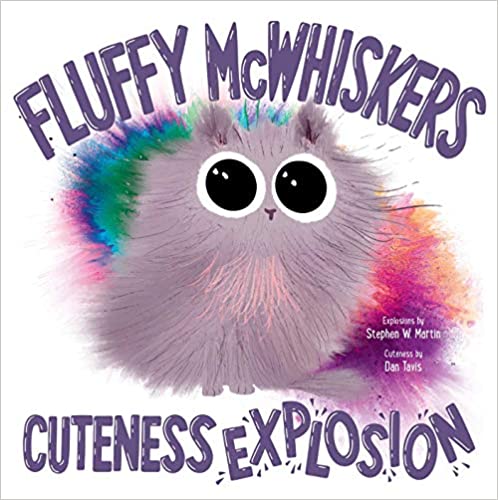


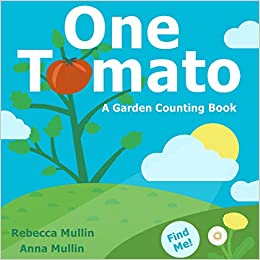

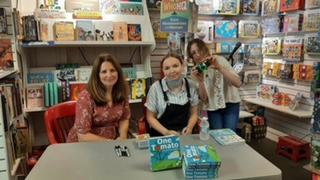


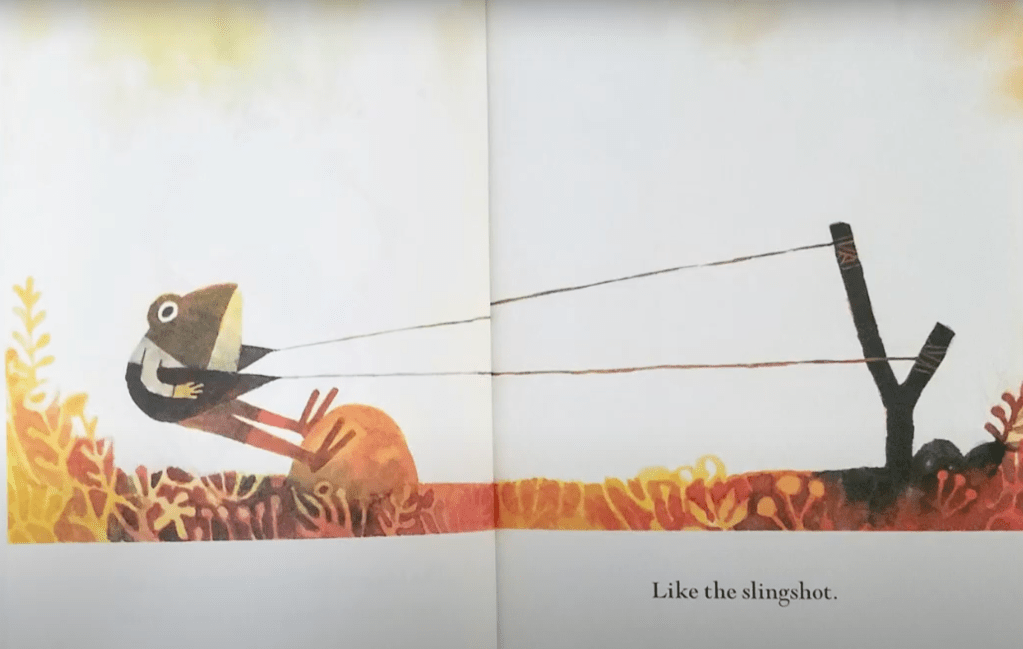
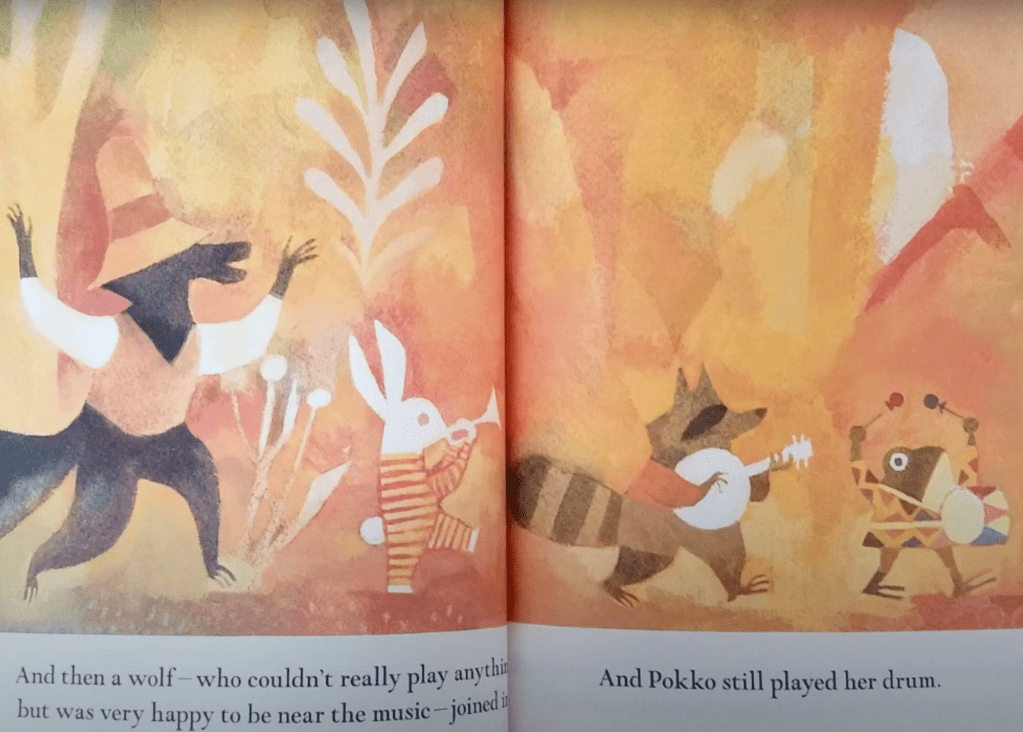
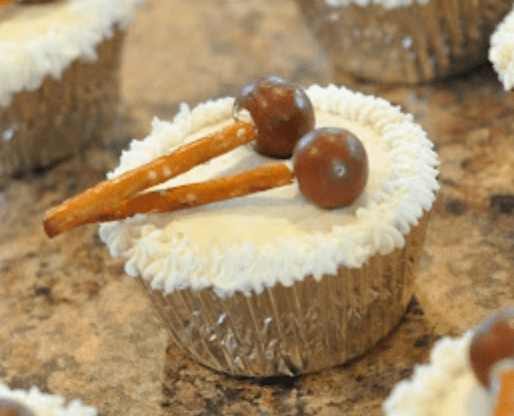


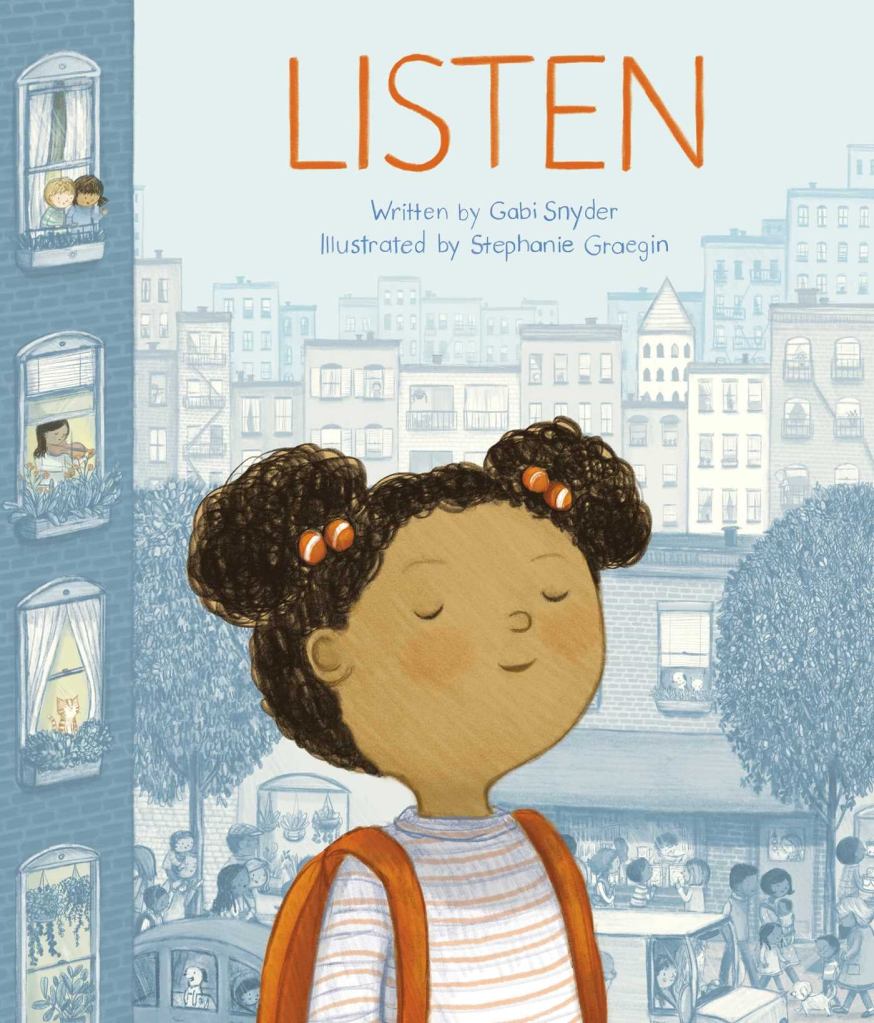
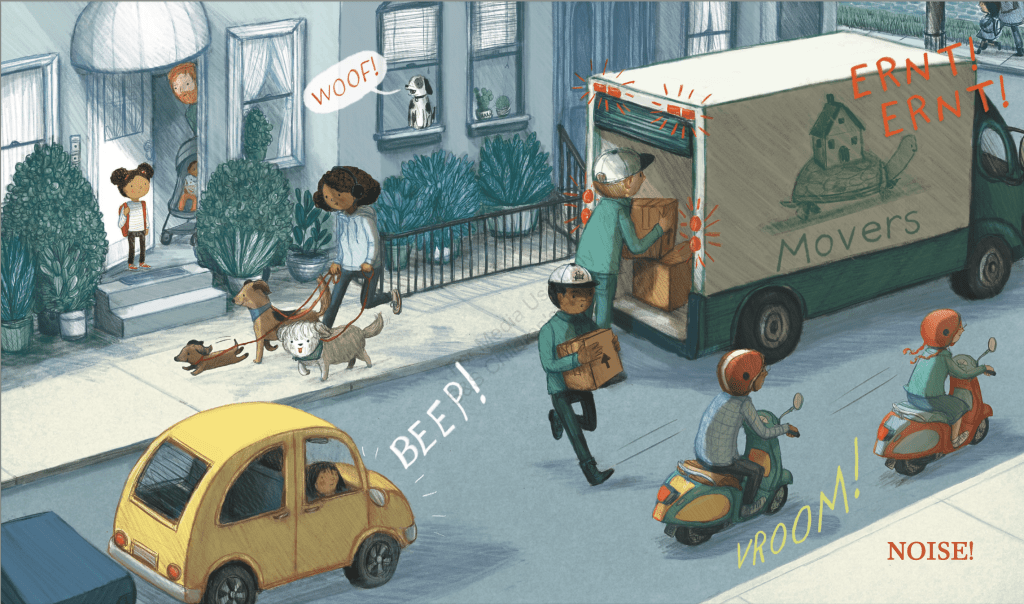


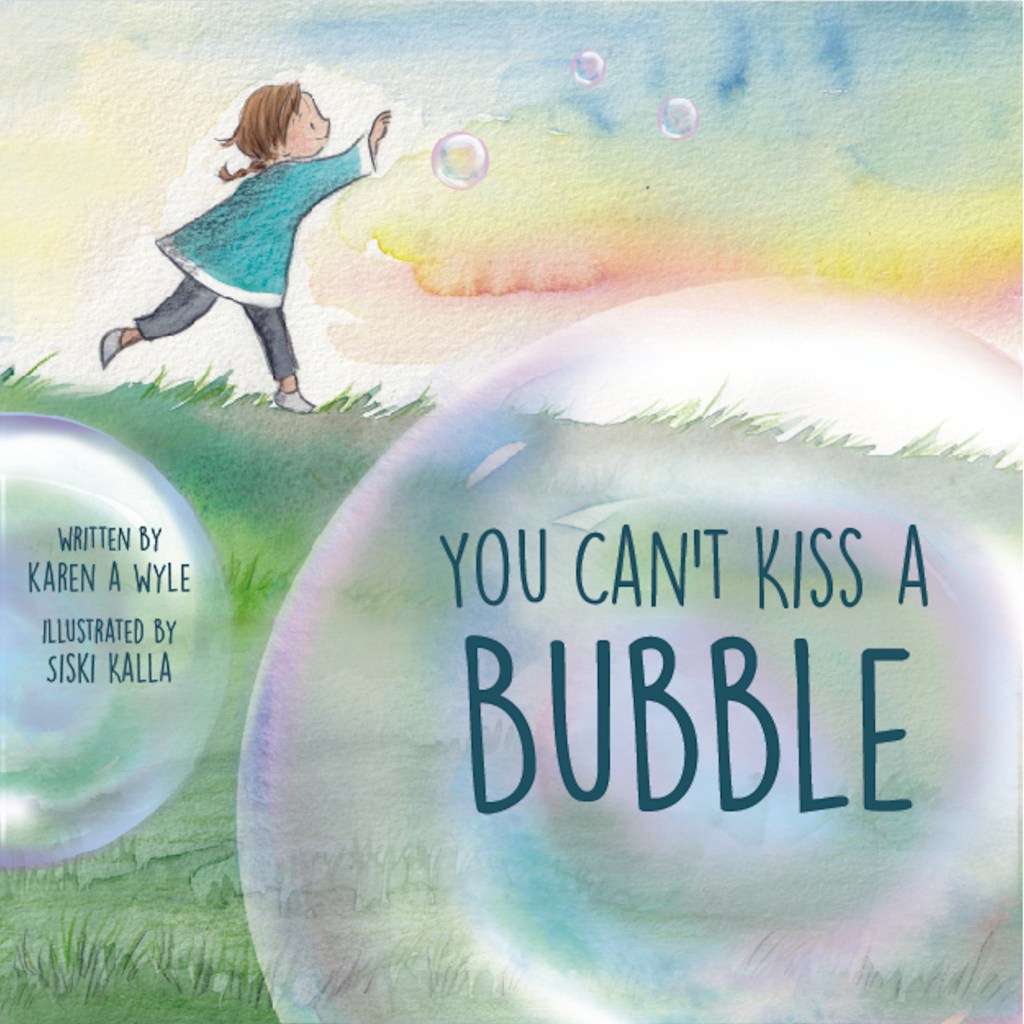

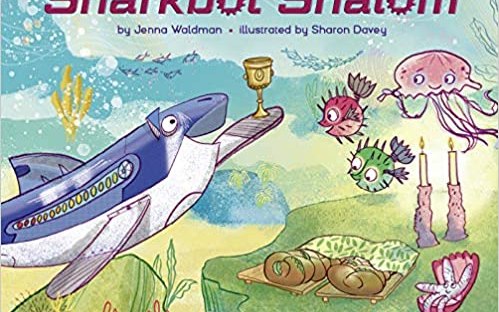


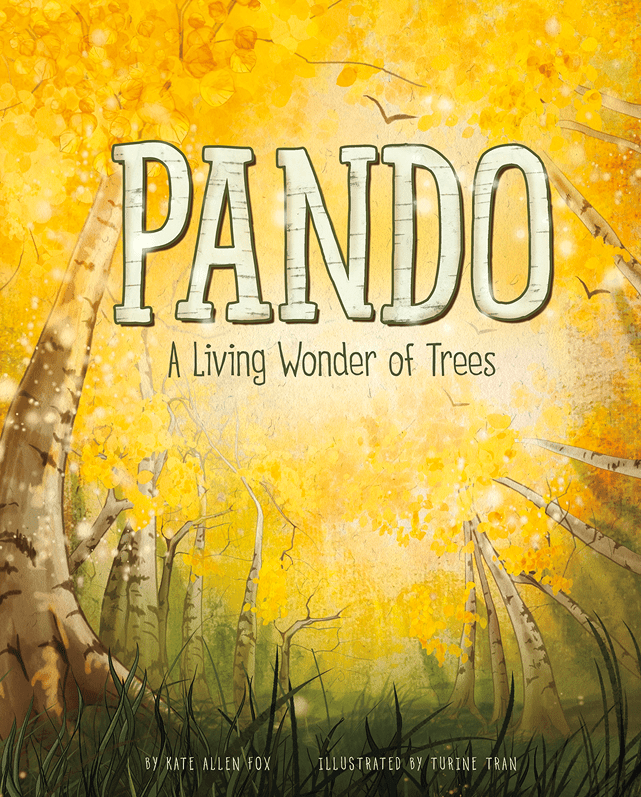
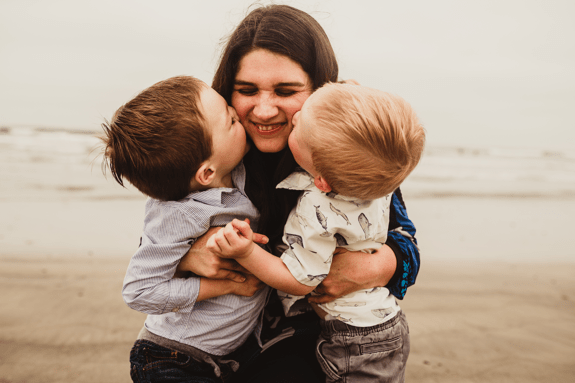
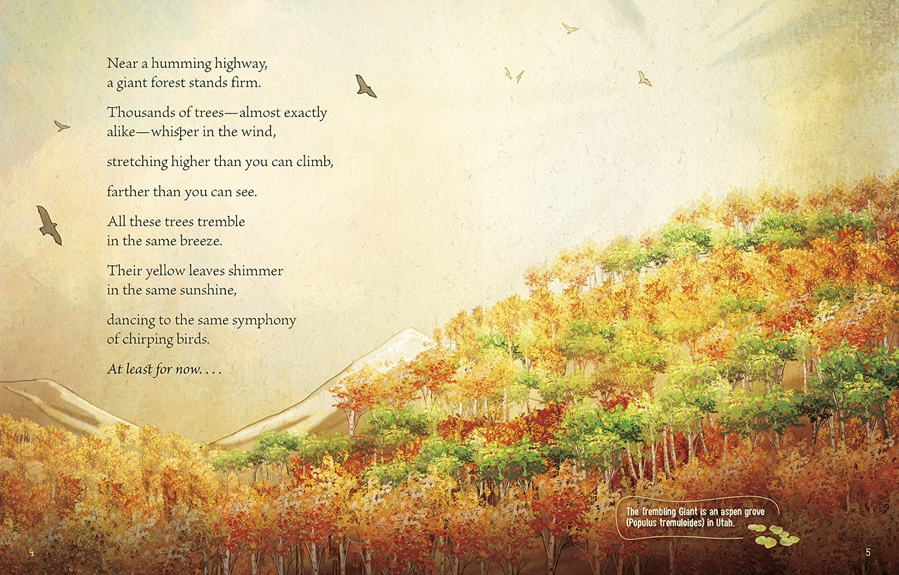

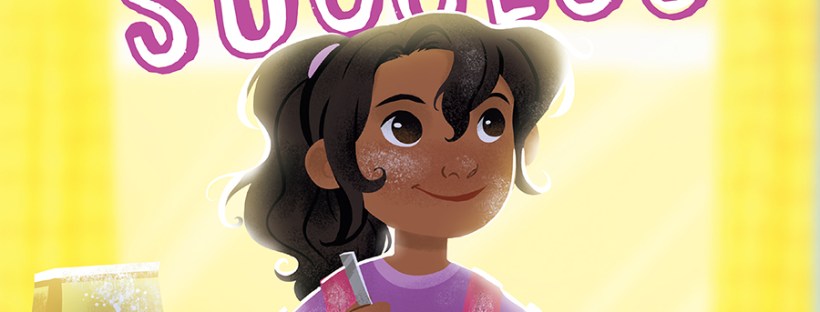


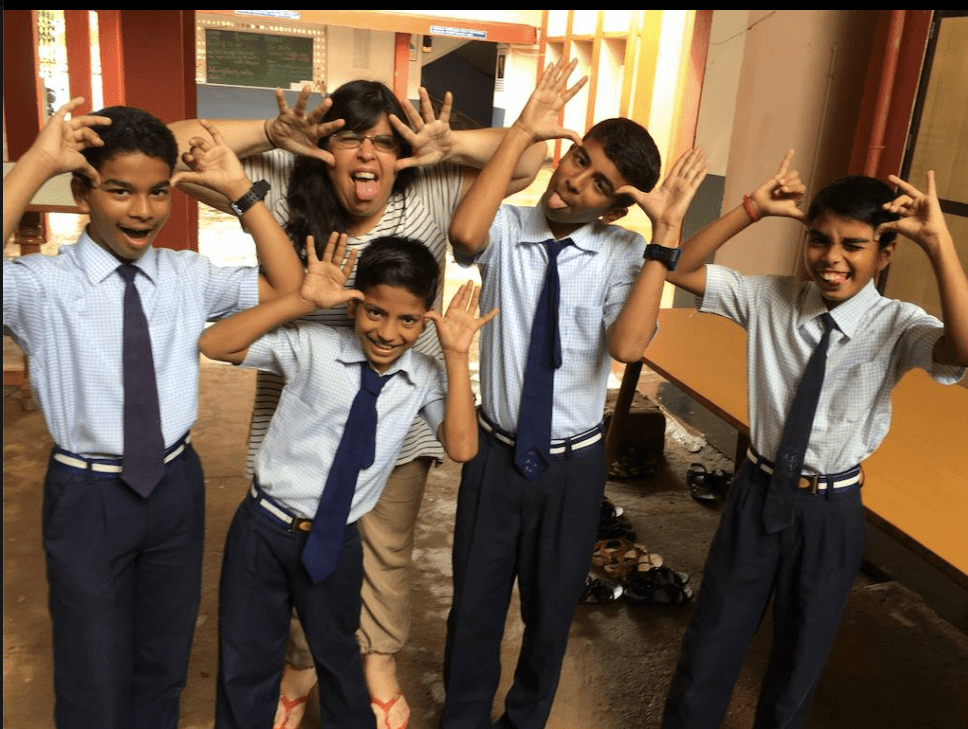

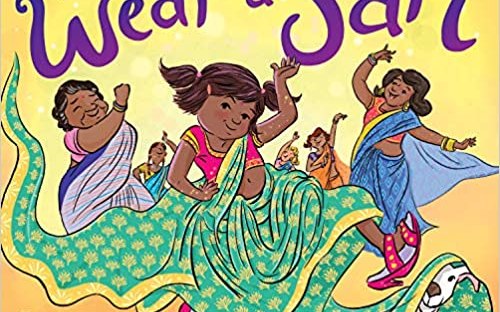


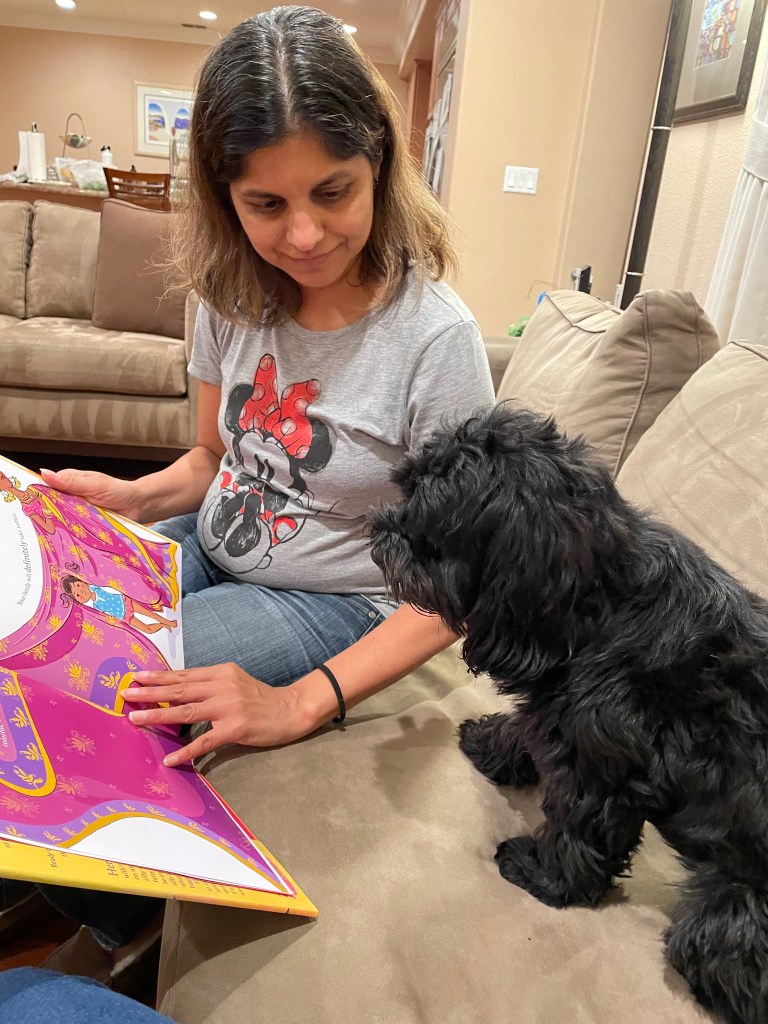
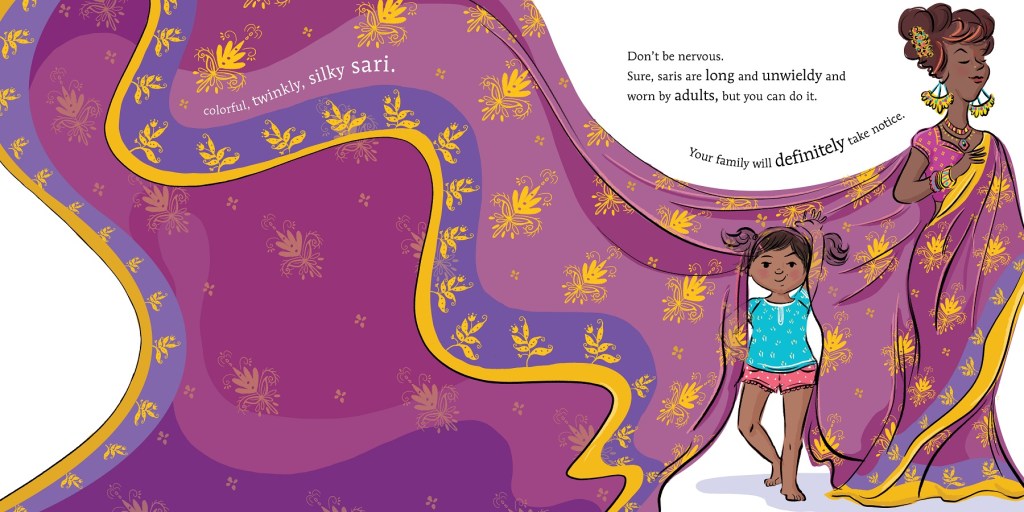


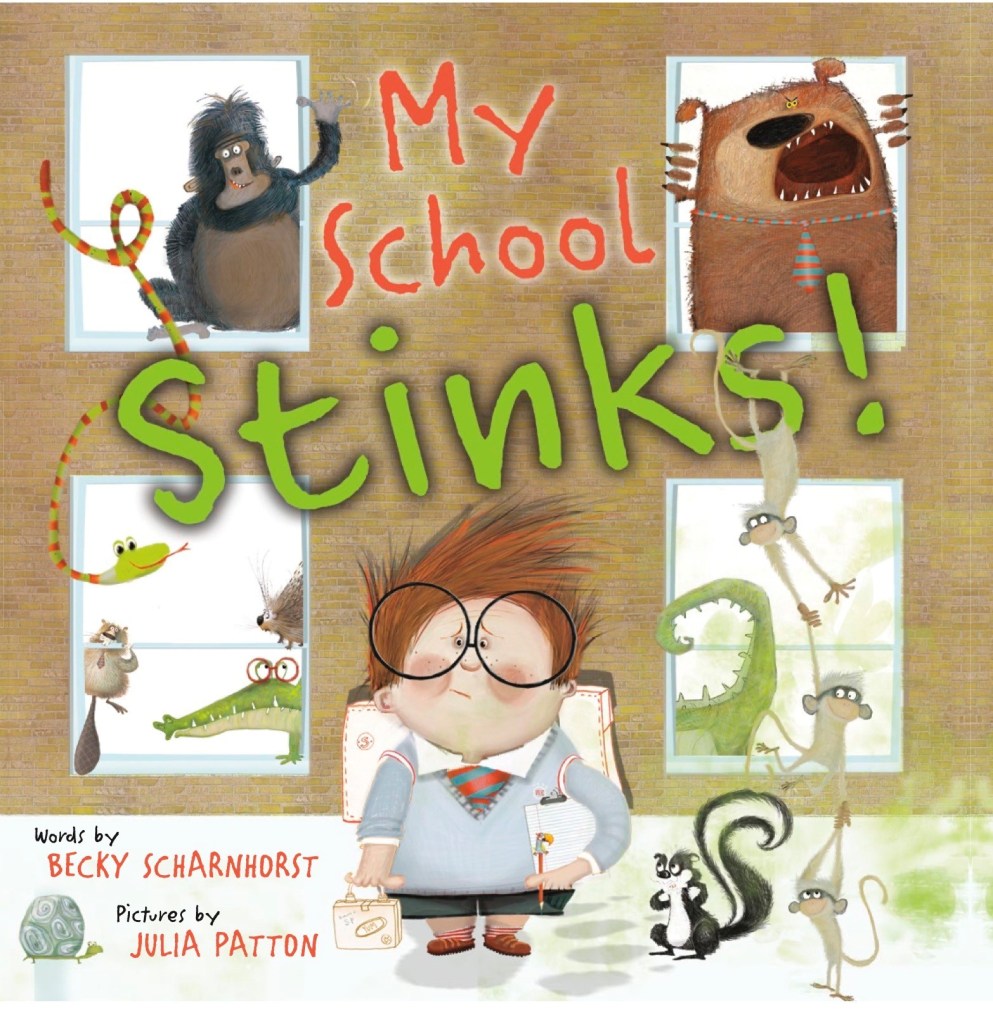
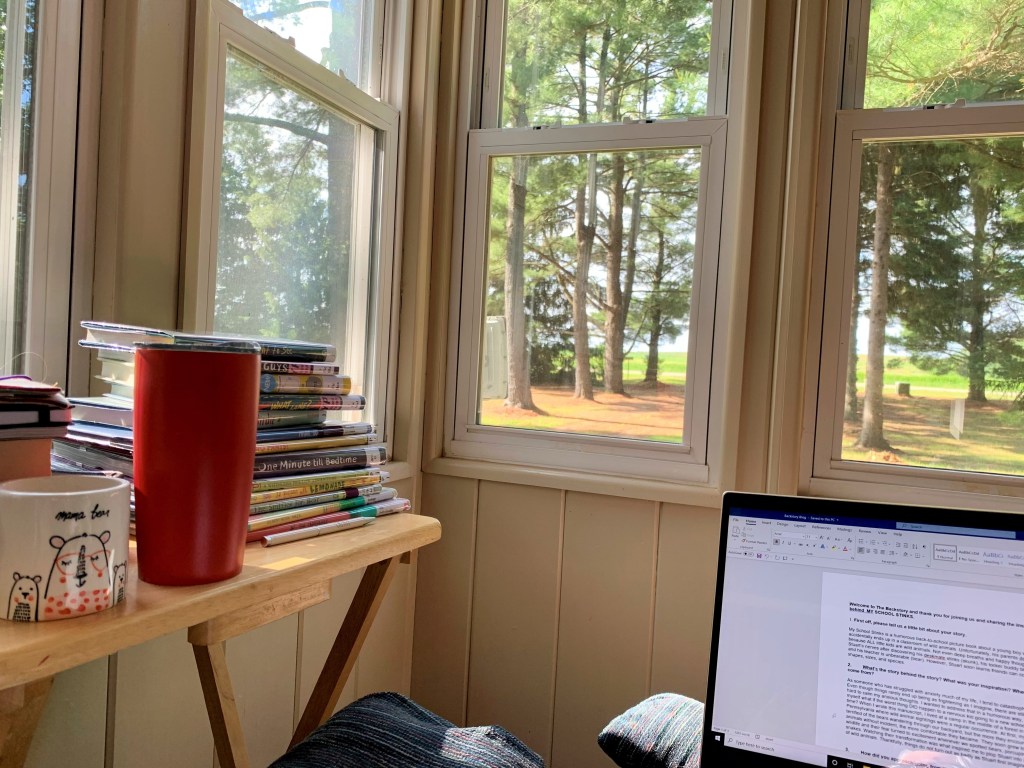
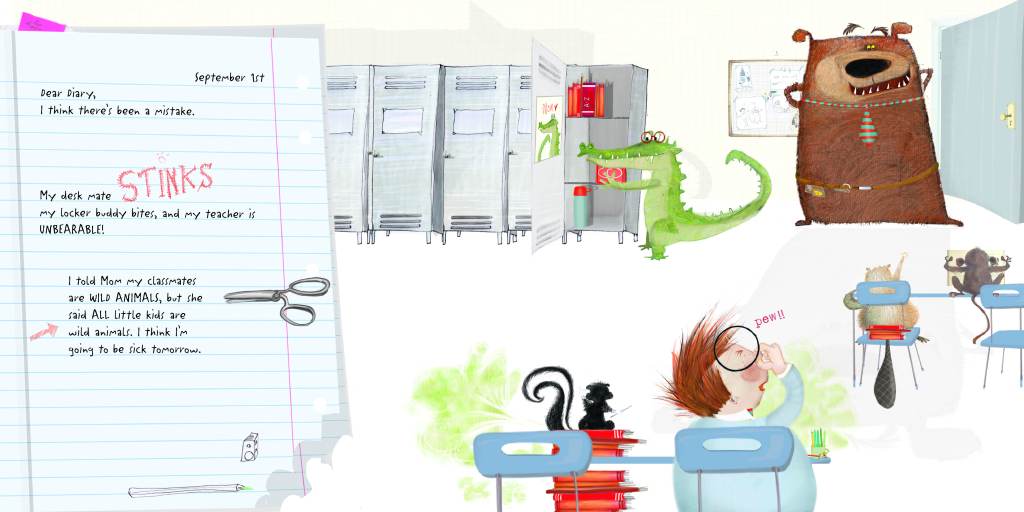



You must be logged in to post a comment.