It’s once again time to answer that all important question: Would You Read It?
Because at the end of the day, that’s what writers, agents, and editors need to know, and what kids, parents, teachers, and librarians want to answer!
I think we should start by fueling up with Something Chocolate. After all, it’s important that our brains be firing on all cylinders 😊 How do you feel about No Bake Oreo Cheesecake (that manages to look like a milkshake!) for breakfast, coffee break, second breakfast, lunch, mid-afternoon pick-me-up, tea time, dinner. . . or whatever coincides with your arrival time here?
YUM! I knew you’d be in favor! It is impossible to resist anything with Oreos 😊
Now then, onto today’s pitch which comes to us from Carol who says, “My passion is writing for children. I love to entertain, amuse, and inspire them.”
The Pitch: Princess Lucille gives you a tour of her castle beginning at the moat and drawbridge and takes you through each room to the exit where you can buy princesses souvenirs.
So what do you think? Would You Read It? YES, MAYBE or NO?
If your answer is YES, please feel free to tell us what you particularly liked and why the pitch piqued your interest. If your answer is MAYBE or NO, please feel free to tell us what you think could be better in the spirit of helping Carol improve her pitch. Helpful examples of possible alternate wordings are welcome. (However I must ask that comments be constructive and respectful. I reserve the right not to publish comments that are mean because that is not what this is about.)
Please send YOUR pitches for the coming weeks! For rules and where to submit, click on this link Would You Read It or on Would You Read it in the dropdown under For Writers in the bar above. There are openings in April so you could get your pitch up pretty soon for helpful feedback and a chance to have it read and commented on by editor Erin Molta!
Carol is looking forward to your thoughts on her pitch! I am looking forward to getting started on fencing part of my yard (not that I really want to…) because some people (ahem…Violet!) cannot be trusted now that baby animal season is fast upon us. Also, she has exhibited a proclivity for taking herself nearly 1/4 mile down the road to help herself to the neighbor’s trash. She brought back a 1/2 gallon of chocolate milk in a plastic jug on Friday. The time has come to rein this bad baby in!
It’s time for another exciting episode of Tuesday Debut!!!
Today we have a lovely book with an important and heartwarming message from debut author Sita Singh. I hope you’ll love it and enjoy hearing about her journey to publication!
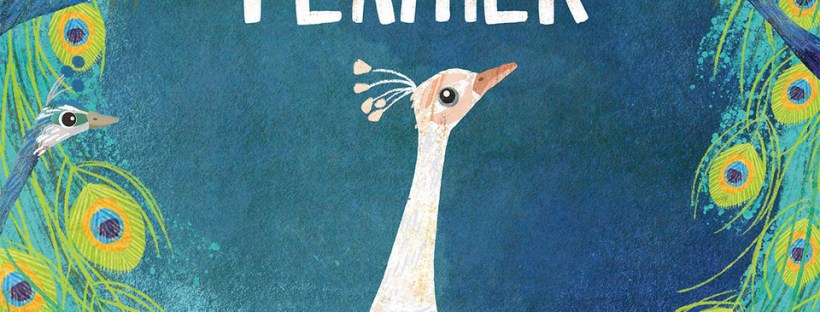
Birds of a Feather Written by Sita Singh Illustrated by Stephanie Fizer Coleman Published by Philomel Books March 2, 2021 Fiction Picture Book (ages 4-8)
A story of the colorless peacock who learns to love himself in a jungle full of color, Birds of a Feather is about finding strength in the things that make us different, and beauty in all its forms.
SUSANNA: Welcome, Sita! So thrilled that you could join us today! Where did the idea for this book come from?
SITA: This book came about from a fusion of ideas. I was working on a story with peacocks at the front and center of it, and at the same time, I was working on another story about a little girl feeling different because of her ethnicity. Neither of the two were coming together until one day, it just clicked. What if I combined the two ideas? And that’s how BIRDS OF A FEATHER came to be.
SUSANNA: How long did it take you to write this book?
SITA: It took me less than six months from the idea to the first draft that I was somewhat happy with. But then, there was revising, and more revising for almost two years before I signed the contract.
SUSANNA: Did you go through many revisions?
SITA: I did go through a lot of revisions. Since I make a new draft with even slightest of a change, there are hundreds of drafts sitting in my folder. I also start out with writing long sentences and paragraphs, without any inhibitions of word count. It’s more like a story I’m telling myself and/or figuring out for myself. So, my revision process ends up being quite long. Although recently, I’ve become faster and the last manuscript I wrote, which is out on submission right now, was in less than a year.
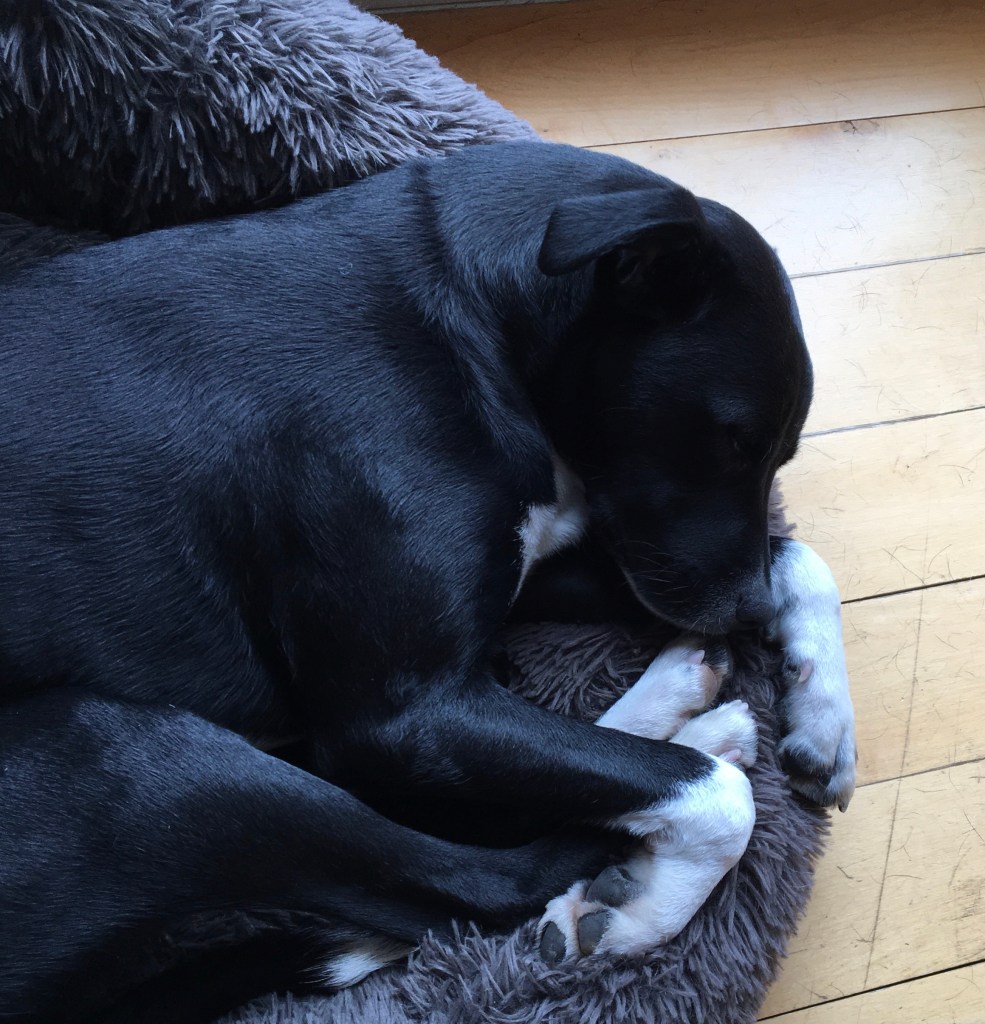
Sita’s writing buddy, Solo 😊
SUSANNA: When did you know your manuscript was ready for submission?
SITA: First, when my critique partners felt just as strongly about the story, and second, after it won the Rising Kite Award at Florida SCBWI.
SUSANNA: When and how did you submit?
SITA: After the award, I started to look for representation. I already had a long list of agents, whom I was following on twitter, and also from the vast search I had been doing over many months. I sent the manuscript to most of them along with a query letter, properly drafted according to the industry standards.
SUSANNA: How long after you submitted were you told it was a “yes”? When did you get “the call”, which these days is more likely to be “the email”?
SITA: As soon as the agent came on board, we submitted the story to various publishing houses. Over the period of twelve months, we got so many rejections that at one point my agent and I decided it’ll be best for me to not get regular updates from her. Thankfully, none of those rejections mentioned any loopholes in the story and my agent too felt strongly about it, so I didn’t revise the manuscript at all. Every now and then, she would also give me a pep-talk which I think helped keep up the hope.
Since I had no idea it was submitted to Philomel Books, “the call” actually was a shock! I remember being in the Indian grocery store and screaming so loudly that the owners had to run to check on me! 😊
SUSANNA: How long was it between getting your offer and getting your contract to sign?
SITA: We signed the contract after three months of accepting the offer. Within that time, I made a few changes to the story as suggested by my amazing editor, Liza Kaplan.
SUSANNA: How did you celebrate signing your contract?
SITA: We celebrated by having wine and going out to eat! It seems so weird to think about eating out in these times as we haven’t been to a restaurant in over a year. I also celebrated with my critique partners, and called my parents, brother, and close friends.
SUSANNA: Was the contract what you expected in terms of advance, royalty percentage, publication timeline, author copies etc.?
SITA: This being my debut, I had no idea about the numbers/royalties/fees and what to expect. I followed my agent’s advice, and she did negotiate the advance and author copies. Rest, everything was standard as in most picture book contracts.
SUSANNA: Can you tell us a little about the editorial process?
SITA: After the very first call with my editor, I knew she had a wonderful vision for my story which was extremely important to me. We went through some minor revisions and one major revision, but at no point was I worried that the story was going off track. Our visions were very much in sync and the editorial process was very smooth.
SUSANNA: What was your experience of the illustration process like?
SITA: Again, as a debut author, I had no idea what to expect once Stephanie came on board. I was surprised when I got to see the first set of illustrations—the rough pencil sketches. Thereafter, every stage of the illustration process was shared with me and it was such a thrill to see the artwork evolve. From the rough sketches to the final artwork, there were about four stages that I got to see and also give inputs. Although, I didn’t have many suggestions to make, since Stephanie just nailed the illustrations. Her vision not only matched mine, but she took the story to a visual level that was beyond my imagination.
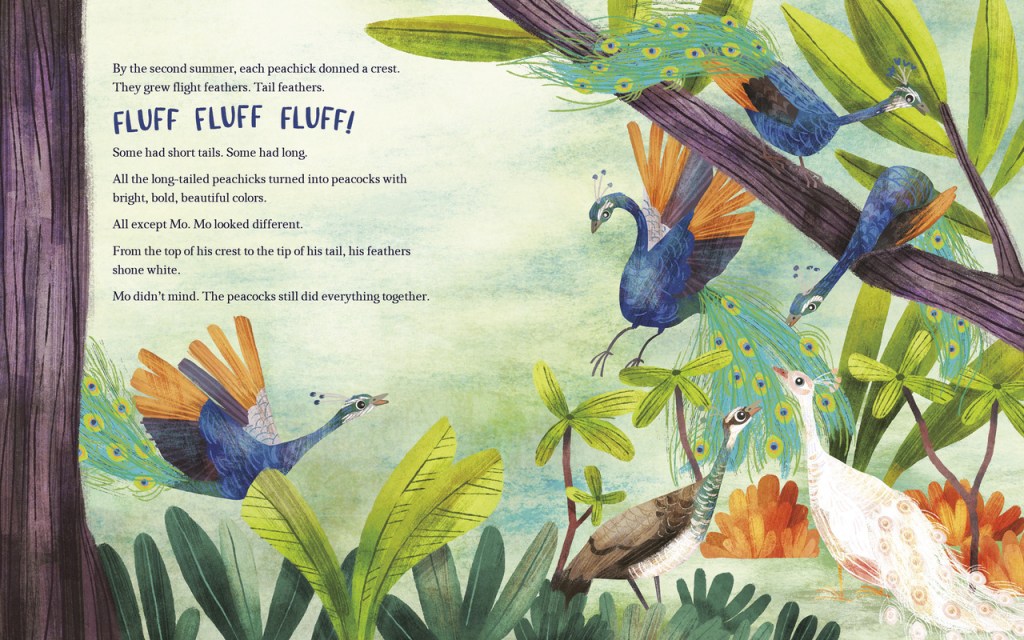
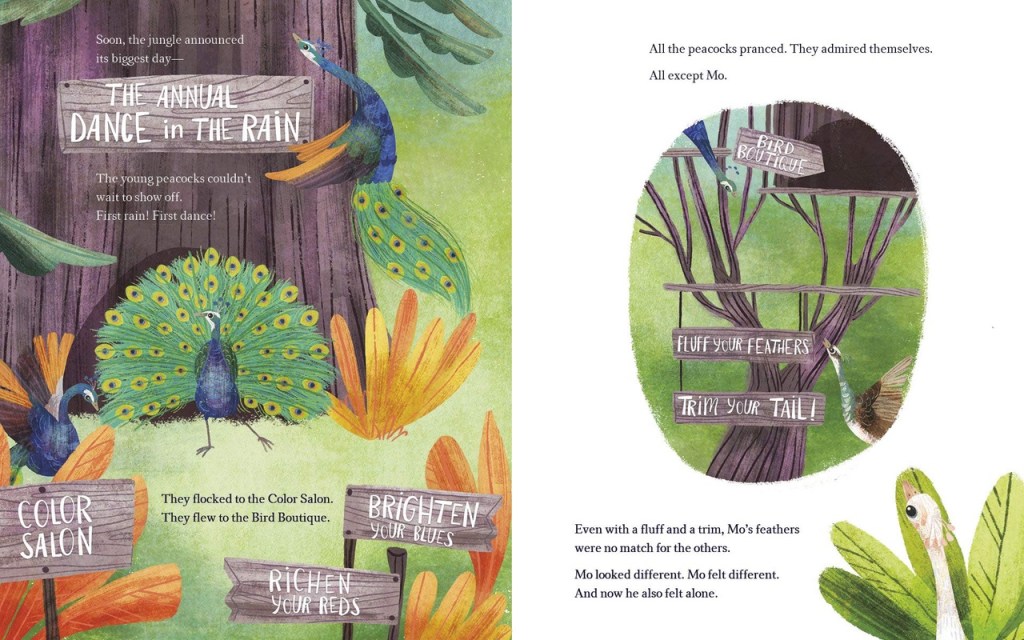
text copyright Sita Singh 2021, illustration copyright Stephanie Fizer Coleman 2021, Philomel Books
I did have a few art notes where the text was to go either on a banner or on a sign post. As you can see in the spread below, art notes were necessary to convey my vision for this particular scene.
text copyright Sita Singh 2021, illustration copyright Stephanie Fizer Coleman 2021, Philomel Books
SUSANNA: How long did it take from offer to having the first copy in your hand?
SITA: It took two years from the offer to having the copy in my hands. When I signed the contract, two years seemed a lot, but having gone through the process, I now understand why it can take that long to publish a picture book.
SUSANNA: Describe any marketing/promotion you did for this book.
SITA: The first best step I took was to join the promotion group The Picture Book Scribblers! We’re like a family of debut and experienced authors, and everyone’s suggestions and experiences really helped me navigate through the marketing stage. I got a book trailer made by Cynthia Nugent, and teacher’s guide made by Marcie Colleen. I also created bookmarks, stickers, and a handful of coloring activities. Last but not the least, I did a blog tour with some wonderful KidLit bloggers!
SUSANNA: (A side note – Marcie Colleen has done a number of teachers guides for me as well – not all of them up on my website yet – and she does terrific work!) How long was it between the time you started writing seriously and the time you sold your first picture book?
SITA: I started to write seriously in 2014, and five years later, I sold my first book.
SUSANNA: What is your most helpful piece of advice for up and coming writers?
SITA: I’d say, write what comes from your heart, and revise, revise, revise! There’s always room for revision. Although my debut picture book just published, there’re places I feel could’ve used more revision. Also, believe in your stories! It helps with being patient and persistent, the two important things needed to stay on course of this turbulent journey to publication.
SUSANNA: Thank you so much for taking the time to participate in this series and paying it forward to other writers, Sita! We so appreciate the opportunity to learn from your experience! And I know I speak for everyone when I wish you the best with this and future titles!
SITA: Thank you, Susanna, for having me on your wonderful blog! Making Picture Book Magic was one of first courses I took (thanks to author Darshana Khiani, who suggested it way back in 2015 when I had just begun to write 😊) I still go back to those lessons and I’m so grateful to you, Susanna, for this opportunity to give back to the writing community.
I’m going to share the book first, so you can see what we’re talking about, and then I have a little Q&A with the author that I think writers, teachers, parents, and all readers will find very interesting as well as some activities that she prepared especially for us to do with our children and students! So please see below in the “Links to Resources” section for all that bonus material! (It includes a recipe for Disappearing Crunch Cookies and I know you won’t want to miss that! 😊)
As if all that weren’t enough, the publisher, Albert Whitman, is offering a copy! So if you leave a comment on this post between now and Thursday April 8, you will be eligible for the random drawing that could make you a winner!
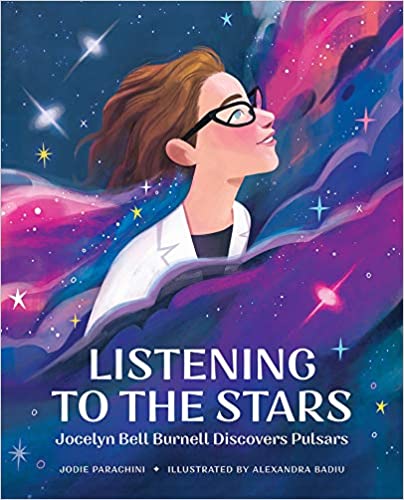
Title: Listening To The Stars: Jocelyn Bell Burnell Discovers Pulsars
Written By: Jodie Parachini
Illustrated By: Alexandra Badiu
Publisher: Albert Whitman & Company, April 1, 2021, Nonfiction
Suitable For Ages: 4-8
Themes/Topics: biography, astrophysics, astronomy, girl power
text copyright Jodie Parachini 2021, illustration copyright Alexandra Badiu 2021, Albert Whitman
Opening: “Does the galaxy have a sound?
Is it loud and full of thunderous booms? Soft murmurings, whooshing whispers? Blips and bloops, like laughter and hiccups?
Silent?
When Jocelyn Bell was young, she never dreamed that she would spend her life listening to the stars.
But sometimes, if you open your mind, you can hear the universe.”
text copyright Jodie Parachini 2021, illustration copyright Alexandra Badiu 2021, Albert Whitman
Brief Synopsis: A biography of astrophysicist Jocelyn Bell Burnell, who helped build a radio telescope that contributed to her discovery of pulsars, which some scientists consider to be the greatest astronomical discovery of the twentieth century.
Links To Resources: the back of the book includes a glossary and an author’s note; and I have a special treat for you – some activities from author Jodie Parachini!
Welcome, Jodie! Thank you for joining us!
What drew you to this subject?
The first question people ask when I tell them I wrote a book about Jocelyn Bell Burnell, is
“who’s that?”
When I explain that she’s an astrophysicist who discovered an astronomical marvel called pulsars, they ask,
“Why haven’t I heard of her?”
Exactly. Then when I mention that she wasn’t awarded a Nobel Prize for it (it went to her male colleagues), they stare in wonder and say,
“Haven’t I heard this story before?”
Yes, sadly. Women such as Rosalind Franklin (who worked on the structure of DNA with Watson and Crick), Chien-Shiung Wu (who worked on the Manhattan Project), and Lise Meitner (who helped discover nuclear fission), were rarely acknowledged for the incredible contributions they made to science. But one of the reasons I love writing picture books is to get these stories out there. Jocelyn Bell Burnell’s story, like those of so many women who work in the STEM fields, should be read, discussed, treasured, and celebrated.
Which do you prefer writing, fiction or nonfiction?
Great question! But I can’t answer it—it’s like choosing which child is my favorite.
I’m drawn to telling stories and I tend to pounce on whatever idea strikes me at the moment. Which means I usually have a few picture book ideas in progress at once. Sometimes I can’t get a rhyme out of my head and other times I hear a story on the news and think I MUST research it further. I let my haphazard brain lead the way!
The nonfiction appeals to my inquisitive and curious nature, the fiction to my creative side. I’m sure there’s a right brain/left brain comment that could be made about this! Hmmm, Righty wants to go to the Library while Lefty wants to pick daisies… I sense a new picture book idea percolating!
I have four more nonfiction and three fiction books coming out in the next two years, so luckily I don’t have to choose between Righty and Lefty!
Do you have any advice for other writers on getting published?
I do not have a traditional publishing story. Like many writers, I spent years getting rejections (I still do). I’ve never had an agent (ahem, see what I mean about rejections?) but I’ve been persistent about following up every opportunity possible when it comes to my manuscripts. Sometimes that means:
1. Pursuing every lead with editors or publishers you meet (for example, I met an art director at a conference. He didn’t think the first story I pitched was right for his publishing house, but I followed up with another in an email, and that one will be published in 2022. I could have just licked my wounds and retreated after the first rejection but sometimes perseverance is key.)
2. Believe in your work, but be flexible enough to alter it. Editors often know the market better than writers. Sometimes it takes (what feels like) hundreds of rewrites to get to the final product. Why start out with a fixed, single-minded vision when collaboration (with awesome editors and amazing illustrators!) is so much fun!?
3. Most writers jump into querying agents/publishers too quickly. The dream of being published is powerful, but I have found that taking classes or joining writing groups and listening to the advice of teachers and peers when it comes to how to improve my work is invaluable. Learn to tell the difference between a first draft and a polished draft by getting the manuscript in front of readers. Their opinions or critiques can open up a whole world of ideas, and, eventually, make you a better writer.
Thanks for listening, kidlit folks, and I wish all of you success of your own writing journeys!
And now for the activities!!!
I have two artsy-fartsy (my mom’s term) crafts for today—the first is a spinning star…perfect to represent the pulsars that Jocelyn Bell Burnell discovered (pulsars are neutron stars that spin and send off radiation, but luckily these ones are just made out of paper). I have to admit, origami and I have never gotten along. I’m more of a modernist, throw-paint-at-the-canvas type of artist so I find folding paper in a structured, precise way quite difficult. That’s why I added the second paper star video, which is much easier and although it’s supposedly a Christmas star, I see no reason why it can’t be made for Easter too! Just grab some pastel paper, scissors, and glue!
Double plus, I have to leave you with an amazing recipe for Disappearing Crunch Bars. (So named because as soon as you make them, they disappear completely. Trust me.)
Only 4 Ingredients:
Saltines (a column or two) Butter (2 sticks) Light Brown Sugar (1 cup) Chocolate chips (12 oz semi-sweet, milk/dark/white, whatever you like)
Method:
Preheat the over to 400 degrees F.
Line a baking pan with foil. Place 1 layer of saltines on the foil. Boil the butter and sugar for 3 minutes, stirring constantly, then pour the caramelly mixture directly over the saltines and use a baking brush to cover the saltines in the caramel. Place in oven for 7 minutes, then remove and immediately pour the chocolate chips over the pan. Spread the chocolate with a brush as it melts, to coat. Cool in the fridge or preferably freezer. Peel from the foil and break into bite size (or larger J ) bits and keep in the freezer. YUM.
THANK YOU SO MUCH, JODIE!!!
text copyright Jodie Parachini 2021, illustration copyright Alexandra Badiu 2021, Albert Whitman
Why I Like This Book: I love learning about interesting people I previously knew nothing about! Jocelyn Bell Burnell has been a groundbreaker in astrophysics as well as a voice for gender equality in science. When I read about how what should have been her Nobel Prize (at least partly if not completely!) went to two male colleagues I was incensed on her behalf! Jocelyn’s dedication to her research is amazing. She worked her way through 3 miles of paper printout from the radio telescope to discover patterns that would lead her to neutron stars and pulsars. At age 77 she is still contributing to the field of astrophysics and leading the way for girls and women to achieve their scientific goals. She has truly been a pioneer. An inspirational read for all young readers!
PPBF folks, please add your titles and post-specific blog links (and any other info you feel like filling out 😊) to the form below so we can all come see what fabulous picture books you’ve chosen to share this week!
Have a wonderful weekend, everyone! Go out and look at the stars! 😊
I don’t know where the days disappear to, but somehow here we’ve rolled around to another Would You Read It Wednesday AND it’s the last day of March!
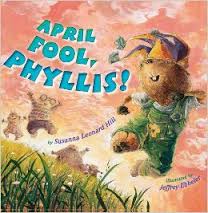
Seeing as how tomorrow is April Fools’ Day, may I suggest (at the risk of promoting my own book 🙃) a little reading material for anyone who is looking?
I’ll make it teeny so it’s less self-promotional 😊
Ok, forget teeny 😊 And forgive me for getting Ain’t She Sweet stuck in your head for the rest of the day 😊
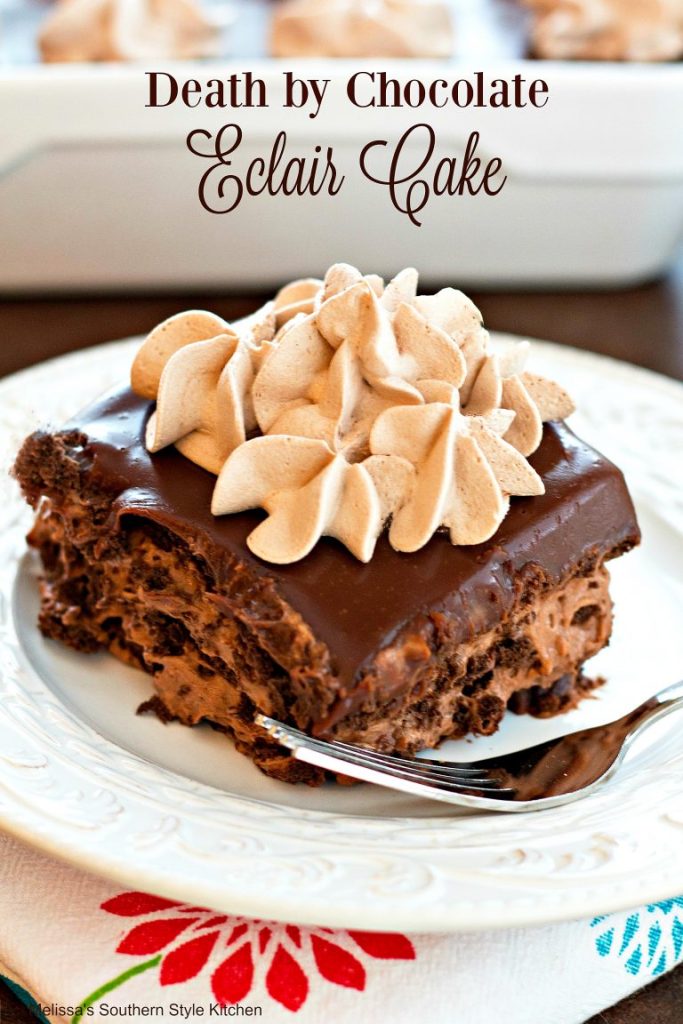
Now, as a reward for putting up with my shameless self-promotion, may I offer you Something Chocolate? Death By Chocolate Eclair Cake sounds like a perfect choice!
Yumyumyum! Creamy and chocolate-y and scrumptiously delicious! Feel free to take an extra slice for later. You never know when you might need a quick pick-me-up!
Now then, onto today’s pitch which comes to us from Jamie who says, “I’ve been working on picture books for a few years. In terms of style, they are all over the place: lyrical, humorous, and now a fractured fairy tale. I have entered a few editions of your fabulous contests and enjoy the community you’ve created. People can find/follow me on Twitter https://twitter.com/jmdonahoe or Instagram https://www.instagram.com/jamiedonahoe/“
Here is her pitch:
Working Title: Goldilocks: A Very Tired Tale
Age/Genre: Picture Book (ages 4-8)
The Pitch: Goldilocks is exhausted and knows deep down there is a solution, but she can’t quite put her finger on it. Mares? Pears? Stairs? Hijinks ensue as Goldilocks puts her quest for rest to the test in this fractured fairy tale.
So what do you think? Would You Read It? YES, MAYBE or NO?
If your answer is YES, please feel free to tell us what you particularly liked and why the pitch piqued your interest. If your answer is MAYBE or NO, please feel free to tell us what you think could be better in the spirit of helping Jamie improve her pitch. Helpful examples of possible alternate wordings are welcome. (However I must ask that comments be constructive and respectful. I reserve the right not to publish comments that are mean because that is not what this is about.)
Please send YOUR pitches for the coming weeks! For rules and where to submit, click on this link Would You Read It or on Would You Read it in the dropdown under For Writers in the bar above. There are openings in April, so you could get your pitch up pretty soon for helpful feedback and a chance to have it read and commented on by editor Erin Molta!
Jamie is looking forward to your thoughts on her pitch! I am looking forward to APRILwhich, in addition to having a realistic chance at a little spring weather, is a month which boasts 6 family birthdays PLUS jelly beans and chocolate easter eggs! Eggsellent!
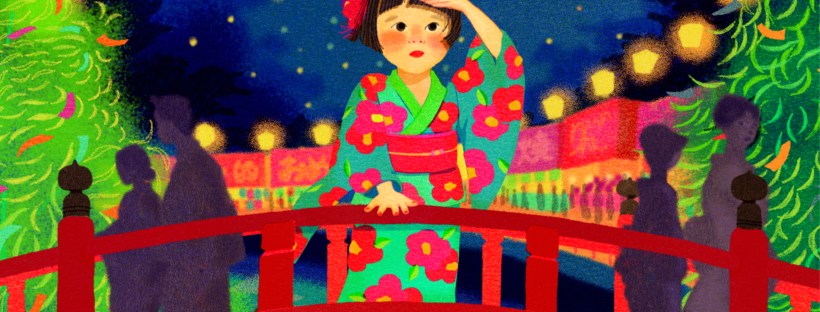
Today I am thrilled to introduce debut author Moni Ritchie Hadley and show off her gorgeous book about the Japanese Star Festival which releases Thursday (April 1st) (no fooling 😊). Just look at that cover!
Title, THE STAR FESTIVAL Author Moni Ritchie Hadley Illustrator Mizuho Fujisawa Publishing House – Albert Whitman & Co. Date of Publication 4-1-21 Fiction, age range 4-7
When Keiko, Mama, and Oba attend the Japanese Festival of Tanabata Matsuri, Keiko saves the day by reliving the events of the folktale it celebrates.
SUSANNA: Welcome, Moni! Thank you so much for joining us today. We are looking forward to hearing all about how The Star Festival was born. Where did the idea for this book come from?
MONI:THE STAR FESTIVAL began as a multigenerational concept book about the similarities between caring for toddlers and caring for my mom. It remained in that state for a few months. Letting go of that first idea took some time. Eventually, I changed the perspective and the setting to the Japanese Tanabata Festival (The Star Festival). I celebrated many festivals in Japan as a child, but it wasn’t until I wrote this story that I discovered the origins and distinctions between each celebration. The research opened up a whole new world of ideas, and that is when the story blossomed.
SUSANNA: How long did it take you to write this book?
MONI: The initial draft to submission took about five months, but I continued to revise until the signing of the contract, which put it at nine months. I edited for another month after the signing.
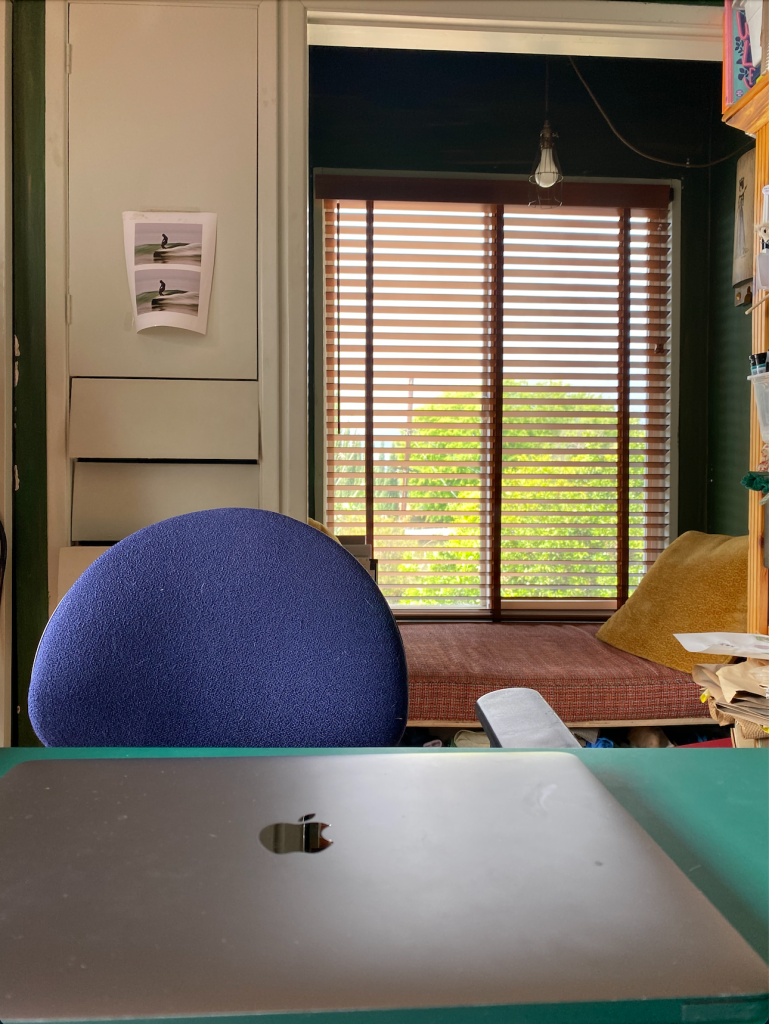
Moni’s (extremely tidy!) writing area (Although she also has workstations in the dining room, bedroom, and outside! A girl needs choices, right? 😊)
SUSANNA: Did you go through many revisions?
MONI: Yes! It amazes me that other writers can count them. I’m continually fiddling and reworking manuscripts, and I forget to create new documents. So, I’ll give a ballpark figure, 20-30, including rewrites with the editor.
For a long while, I couldn’t let go of what I wanted the story to be. When I allowed it the freedom to go where it needed to go, the story turned a corner. The bond between the main character and her grandmother, remained, but the details changed completely.
One technique that I used was to put the story on a plot hill diagram on my wall. I assigned three stickies to each scene, one color for the setting, another color for the plot, and another for the emotion. I then went through and asked myself questions about the stakes and reactions of my character. This visual strategy was very effective. Sometimes when I’m stuck in the mucky middle, I cut apart my story and tape it sideways to my wall, and like magic, I see the areas that aren’t working. Changing the perspective and moving the pieces around helped me see the story’s flow more clearly. I’ve recently started to create dummies for some of my stories. Putting my ideas into a visual format, no matter how rough the drawings are, helps me address issues. Another strategy that works for me is to deformat the text. I find that I play more with structure when I do this. I hesitate to change blocks of text if I leave it in its original structure.
Moni’s writing buddies: Dogs in order – Patti, Rusy, Smiley; Cat – Numnums
SUSANNA: When did you know your manuscript was ready for submission?
MONI: There was an energy I felt when I finally grasped the story, I was meant to tell. I banged it out in the last couple of weeks of the class I was taking. The deadline really motivated me to get it submission-ready. And all my critique partners rallied and helped me get it into shape.
SUSANNA: When and how did you submit?
MONI: In the fall of 2019, I took an online class with Mira Reisberg at the Children’s Book Academy, The Craft and Business of Writing Picture Books. In the end, I was able to submit a pitch for the participating editors and agents. Editor, Christina Pulles, liked my pitch and invited me to submit the manuscript.
SUSANNA: When did you get “the call”? (Best moment ever! ☺)
MONI: I didn’t get a call!😆 My email submission was answered with a request for changes, which I agreed to. The editor liked the changes, and it quickly escalated from there, all through email! It was a month from the time I submitted to the time I heard back from the editor, late November to late December, around the holidays. We passed the manuscript back and forth for about another month. From there, I continued to make changes with the editor. It was intense, but it was a pleasure working with Christina. She had a gentle communication style and always considered my opinion and what was best for the book.
SUSANNA: Can you tell us about your experience of the illustration process?
MONI: I had read that authors rarely get to see the sketches in progress. So it came as a surprise that Christina involved me at every major step. She sent me initial sketches and near-finished art for review. Since she asked, I gave honest opinions.
She considered everything I said and then let me know which changes she agreed with and which she didn’t. It was nice to know that she valued my opinion. And if she felt strongly about something, I trusted her.
I was fortunate to be paired with illustrator Mizuho Fujisawa. She is Japanese as well and gave such nuanced details to every spread. I was blown away when I saw the cover for the first time. The colors on the cover were bold and vibrant. She brought the setting and character to life. Mizuho exceeded my expectations, and the illustration process proceeded very quickly.
Up until writing this story, I rarely used art notes. Some editors do not like them. But for this manuscript, I decided to include them. Japanese words and customs needed notes, and I wanted my story to be understood in the way that I intended. Here some examples of notes that I thought were necessary and would make the reading clearer.
Keiko slips on her summer kimono. [incorrectly] [image below]
text copyright Moni Ritchie Hadley 2021, illustration copyright Mizuho Fujisawa 2021, Albert Whitman
The skies explode. [fireworks] [image below]
text copyright Moni Ritchie Hadley 2021, illustration copyright Mizuho Fujisawa 2021, Albert Whitman
“And look who helped me, the Emperor of the Heavens.” [security guard] [no image supplied]
SUSANNA: Did you get to see advance reviews from Kirkus, SLJ, etc? What was that like?
MONI: Christina shared a positive review from Kirkus privately about a week before it was available online. I was thrilled. I floated through that day! And the very next day, she shared a starred review from the School Library Journal! In all the time that lead up to that moment, I hadn’t thought about professional reviews, so it was a pleasant surprise to get those!
SUSANNA: Congratulations! How wonderful to get such great reviews! How long did it take from offer to having the first copy in your hand?
MONI: 14 months.
SUSANNA: Describe any marketing/promotion you did for this book.
MONI: I sent letters to schools, held giveaways, and made stickers and bookmarks. I have done many blog interviews and activities for the story. I also made a short gif and had a book trailer made for the book.
SUSANNA: How long was it between the time you started writing seriously and the time you sold your first picture book?
MONI: That’s a difficult question to answer. Define seriously? I feel like every story, revision, critique, submission is an effort to be a serious writer.
When I was working full time, I struggled to balance writing with work and my home life. I think that the time I spent working on stories, critiquing, and learning in those thirteen years attributed to getting published.
When I retired from teaching, it took me less than a year to get a contract. I feel strongly that it would not have been offered if I waited to start writing when I “had the time.”
All the minutes here-and-there add up. All the failures, stories that went nowhere, and writing practice add up. It gets you ready for the right moment. It prepares you to get “lucky.”
SUSANNA: What is the most important/helpful thing you learned on your way to publication? (Or what is your most helpful piece of advice for up-and-coming writers?)
MONI: Don’t get stuck on your early manuscripts. They will always hold a special place in your writer’s heart, but continue to evolve, discover other stories, and challenge yourself.
SUSANNA: Anything else you’d like to share about your book’s journey from inspiration to publication?
MONI: I tried not to make getting published my everyday goal. I changed my mindset and was grateful to be writing every day. Whether I was published or not, I figured I’d be doing the same thing anyway, working on my craft.
SUSANNA: So much wonderful advice, and so much helpful information! Thank you so much for taking the time to participate in this series and paying it forward to other writers, Moni! We all really appreciate it. And I know I speak for everyone when I wish you the very best with this and future titles!
Readers, if you have questions for Moni, please post them in the comments below and if she has time I’m sure she’ll respond!
You may purchase Moni’s book at: (all links below are book-specific)
PPBF folks, please add your titles and post-specific blog links (and any other info you feel like filling out 😊) to the form below so we can all come see what fabulous picture books you’ve chosen to share this week!
Did you know that today is National Chocolate-Covered Raisin Day?
Raisins, being very tiny, are perhaps not the best vehicle for maximizing one’s chocolate experience, but still, chocolate is chocolate and raisins do happen to go well with it! And clearly they make an excellent writing snack. I knew you would want to celebrate accordingly 😊
Close-up they look bigger! 😊
But that was just a bonus because it happens to be a National Holiday!
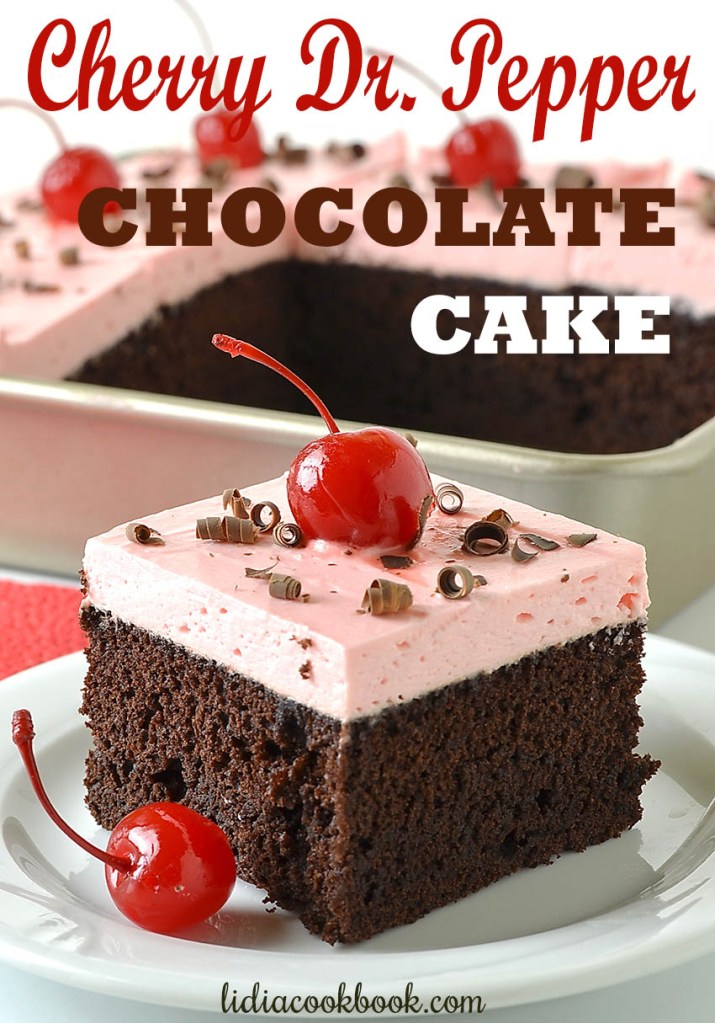
Since it’s Wednesday, we still get to treat ourselves to Something (else) Chocolate. I picked cake, because…well… it’s cake! 😊, and cherry because it’s pink and spring-like and makes me think of cherry blossoms 🌸 Dig in!
Now that we are extra-specially supplied with chocolate, let’s get to today’s pitch which comes to us from Diana. Diana Gibson is a pre-published author with 30 years teaching Special Ed and El-Ed children. She has a Masters Degree in Reading Diagnostics and Remedial Reading. She’s also spent 22 years in the Army and worked weekends as a Pyrotechnician all over the world.
Here is her pitch:
Working Title: Wait For Cate
Age/Genre: Picture Book (ages 5-8)
The Pitch: Cate promised her team she’d finally be on time for the championship kickball game. But when she encounters the new girl in her class, stuck in the sand on the playground in her wheelchair, she has to make a BIG decision. Should she help or hurry on by? The clock’s ticking.
So what do you think? Would You Read It? YES, MAYBE or NO?
If your answer is YES, please feel free to tell us what you particularly liked and why the pitch piqued your interest. If your answer is MAYBE or NO, please feel free to tell us what you think could be better in the spirit of helping Diana improve her pitch. Helpful examples of possible alternate wordings are welcome. (However I must ask that comments be constructive and respectful. I reserve the right not to publish comments that are mean because that is not what this is about.)
Please send YOUR pitches for the coming weeks! For rules and where to submit, click on this link Would You Read It or on Would You Read it in the dropdown under For Writers in the bar above. There are openings in April, so you could get your pitch up pretty soon for helpful feedback and a chance to have it read and commented on by editor Erin Molta!
Diana is looking forward to your thoughts on her pitch! I am looking forward to getting to see 2 of my daughters, whom I have not seen in way too many months! (Because they work in priority fields they are both fully vaccinated now – hurray! 😊)
Today’s guest we has written and illustrated a fun story in rhyme that also includes interesting, educational, nonfiction back matter. And she self-published. Talk about doing it all!
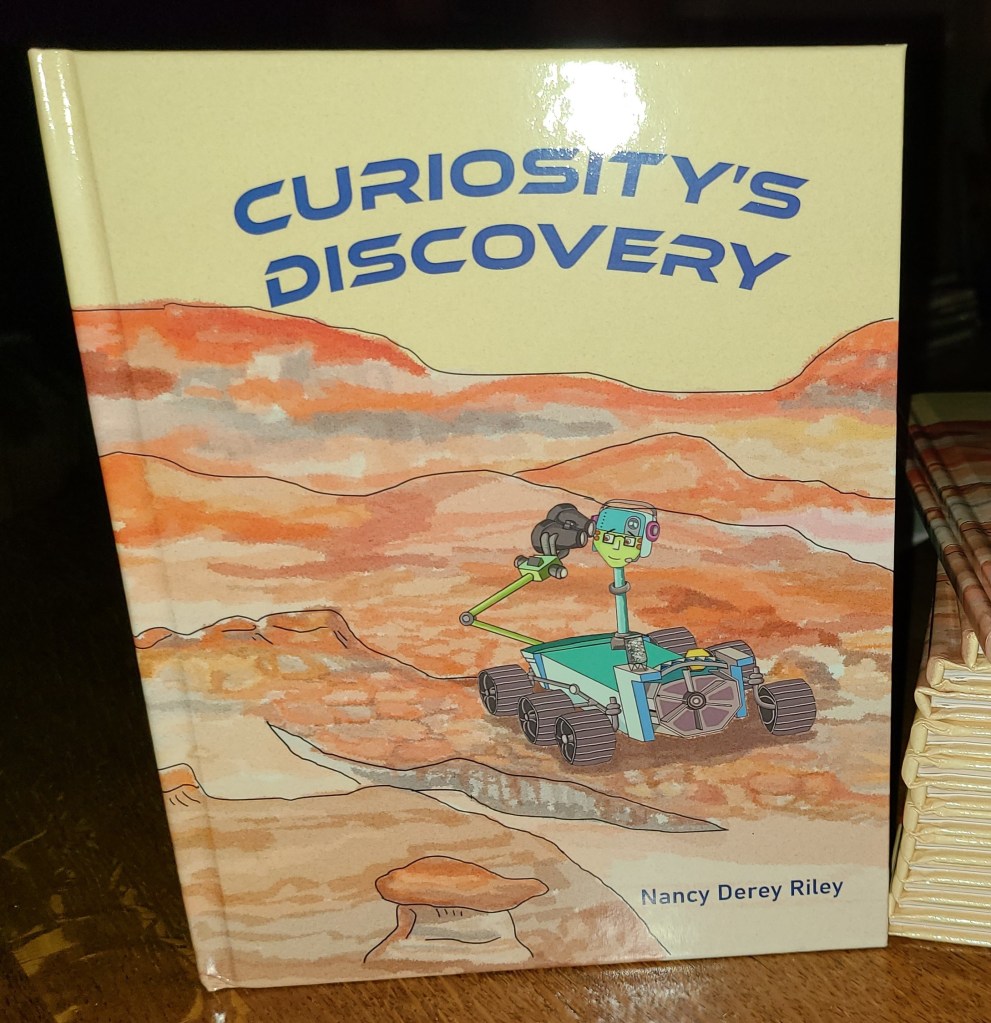
I know we’re all going to learn a lot, so let’s get right to it and meet today’s debut-ess, Nancy Derey Riley, and have a look at Curiosity’s Discovery!
CURIOSITY’S DISCOVERY written and illustrated by Nancy Derey Riley Self-published/print-on-demand through IngramSpark – Rolling Prairie Publishing LLC November 10, 2020 Rhyming fiction with NF back matter For ages 4-8
CURIOSITY’S DISCOVERY takes the reader on a mystery adventure on Mars as the trusty rover hears an unknown radio signal. She discovers an older rover, Spirit, just as his batteries crash and his transmission ends. Now, she must revive him if she has any chance of having a friend.
SUSANNA: Welcome, Nancy! We are so thrilled to have you here today to share your journey to publication! As you know, I am especially fond of this story for a reason I know you’re about to explain 😊, and because I share your interest in the Mars missions and have a Mars book of my own! Where did the idea for this book come from?
NANCY: The idea for this story came from you, Susanna, and Valentiny! Last year’s 2020 Valentiny Contest rules were: write a child-friendly Valentine’s story, no more than 214 words, and show someone or something being curious. I immediately thought of Curiosity, the Mars rover—nothing more curious than Curiosity, right? Well, I wrote a rhyming story entitled, Finding a Friend, and miracle of miracles, I came in 4th! I was so excited.
I find writing contests for kid-lit writers help me generate ideas for stories beyond just a particular contest. Plus, there are prizes, often critiques from published authors and, even, agents. These critiques have helped me polish my stories for submission to agents and publishers.
SUSANNA: How long did it take you to write this book?
NANCY: After basking in my 4th place finish for a few days, I decided to transform it into a complete picture book manuscript. Since it is a rhyming story, this took me a couple of weeks. In March 2020, as the pandemic was beginning, it was critiqued by all my critique partners (I’m in three different groups, one is dedicated to rhyming picture books).
SUSANNA: Did you go through many revisions?
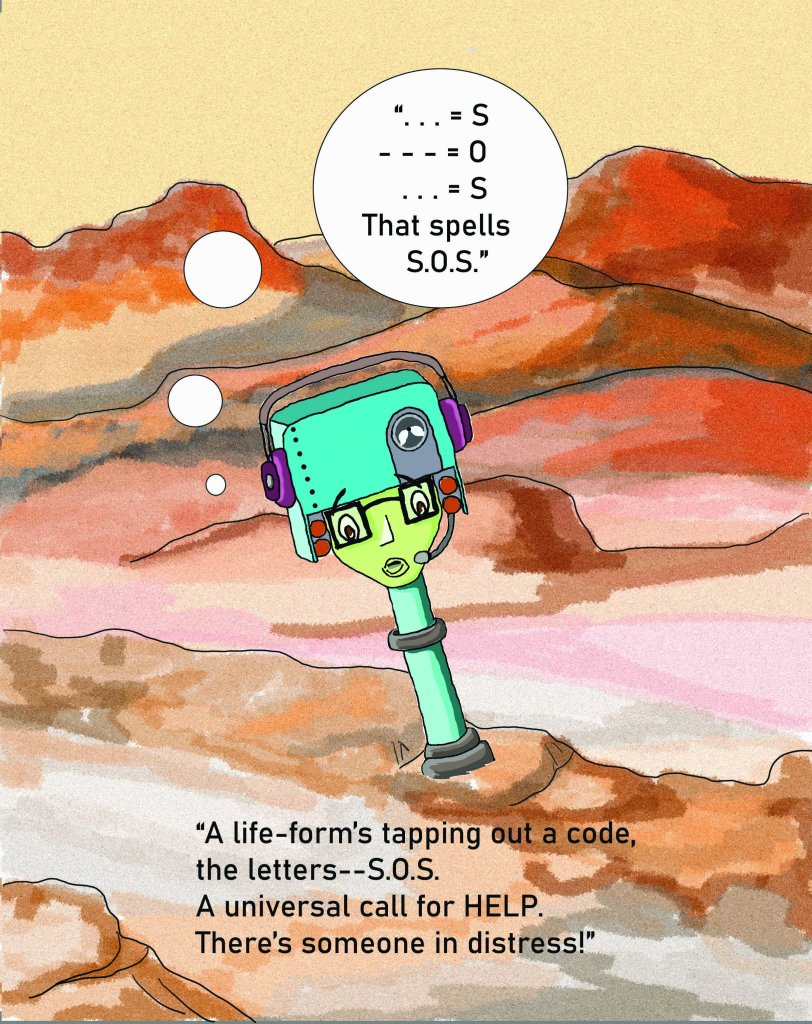
NANCY: I didn’t go through many revisions, certainly not major rewrites or anything. The back matter took much longer to decide what to put in and what to leave out. The moment I discovered your website and your books, Susanna, I loved the idea of back matter at the end of a fictional tale. Since I’m a biologist, I wanted to include facts on Mars, the rovers, and, for this story, Morse code.
SUSANNA: It’s really an added value for young readers and for their parents and teachers! And something I haven’t seen as much in self-published titles. So kudos to you! When did you know your manuscript was ready for publication?
NANCY: In the middle of April 2020, after a final review by my rhyming partners, I submitted query letters to nine publishing houses that accept unagented manuscripts. In June, I subbed to 13 agents who were open to submissions. Also, I participate in Twitter pitch contests as they come along, but I have yet to have any success with them.
SUSANNA: At what point did you decide to self-publish rather than submit to traditional publishers? Did you try traditional first? Or did you have specific reasons for wanting to self-publish?
NANCY: In May 2020, came a long road trip to visit my stepdaughter in Oklahoma and a LONG discussion with my husband about my writing journey. I’d been writing picture books for nearly four years and submitting to agents/publishers for three. I’ve only gotten a couple “champagne” rejections, the rest either form letters or no response at all. I told my husband that even if I got an agent in one day and that agent sold my manuscript to a publisher the next day (impossible, but I simplified it for the sake of our discussion), it could be two years before I held a book in my hands. I was 63 and not getting any younger. I’d researched independent publishing a little at that point. That is when I decided to self-publish this story. I did submit the story to agents in June figuring I would work both ends and see what happened first—an agent or a book in hand.
SUSANNA: How did you find an illustrator?
NANCY: The smart aleck answer is, I looked in the mirror. I’m very left-handed and right-brained. I love to draw when I make the time. I did a lot of illustrations for handouts and handbooks in my federal career. I’m even a sometime silversmith. My husband says I’m a serial hobbyist! I have rough book dummies for several stories and I when I subbed to agents, I asked them to consider me as an author-illustrator. I did receive one response from an agent who liked my story and the rhyme (often hard to get a positive response), but my art style did not resonate with her AND she was ONLY taking on author-illustrators. Sigh.
So, I decided to try my own illustrations. I find humans hard to draw, so luckily, there are no humans in Curiosity’s Discovery! LOL!
text and illustration copyright Nancy Derey Riley 2020 (p.11)
SUSANNA: Since you illustrated your own book, I’m guessing you were able to talk your illustrator into working for a very reasonable price 😊 But were there any costs associated with illustrating?
NANCY: The biggest cost for me was buying the whole Adobe Creative Cloud package for a year. I started out trying to use watercolor pens, but decided that Photoshop was my best medium for these illustrations. That cost me around $360. I’m a member of the Colorado Independent Publishers Association and there are several service providers. One illustrator said his price is around $5000-$10000! One of my critique partners, who self-published, found an illustrator in eastern Europe, maybe Romania, and that was around $150 for the whole picture book. She was very pleased with the product. I believe she found her illustrator on Fiverr.com. I have heard mixed reviews about this service.
SUSANNA: How did you format your book for publication?
NANCY: It was written in Microsoft Word and then the sentences were added to the artwork Photoshop. Then the pages were converted into pdfs. I’ve been told that the NEXT time to create the pages in Adobe InDesign because it is even more compatible with the print service I use.
SUSANNA: How did you select a printing service?
NANCY: I read up and researched print-on-demand services, such as, Amazon’s KDP (Kindle Direct Publishing), IngramSpark, BookBaby, Draft2Digital, etc. I knew that I would not want to afford a printing company. IngramSpark prints both hardcover and paperback whereas KDP only does paperback. I also met another wonderful self-published author, Barbara Renner, online. I contacted her and asked if we could video chat about her publication process. She is beyond helpful.
SUSANNA: Did you do a print run so you’d have inventory, or is your book print-on-demand?
NANCY: My book is both. It is print-on-demand, but I can order my books at cost plus shipping so I do have a small inventory. My book is available online at: Amazon (around the world), Barnes & Noble, Walmart, Target, eBay, Waterstones (in the UK), and more. IngramSpark distributes their list to many outlets. Currently, the only physical place that has my book on consignment is the Fort Collins, Colorado Discovery Museum.
SUSANNA: How long was the process from writing through publication of your book?
NANCY: The story was started in mid-February 2020 for Valentiny. The full story was complete and critiqued by mid-April 2020. I spent last summer working on the illustrations and the publication date was November 10, 2020. So, around 11 months. There was a steep learning curve relearning Photoshop and getting the whole book formatted properly for IngramSpark.
SUSANNA: Were you able to get your book reviewed by Kirkus, SLJ, Hornbook, Booklist etc.?
Also, I entered the Colorado Book Awards and the SCBWI Spark Award. Fingers crossed!
SUSANNA: Describe any marketing/promotion you did for this book.
NANCY: I’m still figuring this out! I did have my website revamped and we had a countdown to release, trailer which we also put it on YouTube, word search, maze, and coloring pages available on my website. I tried to have a book launch or signing locally, but late November saw an upswing in Covid cases and stores stopped all in-person events. I didn’t know how or where to do a virtual event. I still have much to learn in the marketing arena.
The other place I want to reach are schools. I would love to do author visits and talk about the rover programs, Mars, space, whatever the kids dream up!
SUSANNA:Anything else you’d like to share about your book’s journey from inspiration to publication?
NANCY: I’m still smiling that I can hold this book in my hands! A pandemic is a funny time, but maybe the best time to try this! I haven’t given up on traditional publishing as well. Now I have a much better appreciation for what an agent and publishing company do for you! With that said however, I must toot my horn a little more.
This year I placed 3rd in the 2021 Valentiny with a story about the Perseverance rover landing on Mars. I’m working on a longer non-Valentine story for Percy and Ingenuity, the little helicopter that went with him. I will self-publish this one too because I want the art to match with Curiosity. Who knows, it might lead to a whole Mars series.
Nancy reading Curiosity’s Discovery to Perseverance (Percy) – apparently you can do this on NASA’s website which is so cool I may have to try it with MARS’ FIRST FRIENDS!
SUSANNA: Thank you so much for taking the time to chat with us today, Nancy! We’ve learned so much! I know I speak for everyone when I say we wish you the best of luck with this and future titles, and I think we’re all looking forward to the continuation of your Mars series!
NANCY: Thank you, Susanna for being such an inspiration to me and many others in the children’s literature field. Without your writing contests, I doubt this book would exist.
Author/Illustrator Nancy Derey Riley
Website: nancyrileynovelist.com Twitter: @NancyDereyRiley Facebook: Nancy Riley Novelist or Nancy Derey Riley (personal page) Instagram . . . soon for an author site ISBN-hardcover – 9781735737102 ISBN-paperback – 9781735737119
About Nancy: I’m a retired wildlife biologist living with my husband, dog, Scout, and our 2 horses on 35 acres north of Fort Collins, Colorado. I have a grown daughter, stepdaughter, and stepson, and two fantastic teenaged granddaughters. I split my time between writing, enjoying our land and life, and being a competitive adult figure skater.
Readers, if you have questions for Nancy, please post them in the comments below and if she has time I’m sure she’ll respond!
You may purchase Nancy’s book at: (all links below are book-specific)
Look at that! It’s Perfect Picture Book Friday again!
And just in time, too!
In keeping with my theme for this week (you know, the one where I insist that spring is coming in spite of overwhelming evidence to the contrary 😊 ) I have the perfect book!
Quick like springtime bunnies before we get to it, though, I want to announce that the winners of the copies of Bindu’s Bindis donated by publisher Sterling Children’s Books (from the PPBF post on February 26) are Sue Heavenrich and Anna Maledon! (because they actually sent two copies so YAY!) Please email me (susanna [at] susannhill [dot] com) with your snail mail address and I’ll send them out to you ASAP!
And now. . .
Title: Finding Spring
Written & Illustrated By: Carin Berger
Greenwillow Books, January 2015, fiction
Suitable For Ages: 4-8 (though I think a lot of 3 year olds would love it too 😊 )
Opening: “The forest was growing cold. Mama said that soon it would be time to sleep, but all Maurice could think about was his first spring.“
Brief Synopsis: Mama bear says it’s time to sleep, but all Maurice can think about is spring. So when Mama goes to sleep, Maurice sets out to find it. He has never seen spring, however, so he’s not really sure where to look or even what he’s looking for!
Why I Like This Book: Every child on earth understands impatience – how hard waiting is, and how much more fun to take action! Maurice is not deterred in the slightest by the fact that he doesn’t actually know what spring is. He just looks until he knows he’s found it. And he can tell he’s found it because it’s the most magical thing he’s ever seen! Just wait until you see what it is (and no, I’m not telling! 🙂 ) The book is illustrated with dioramas and cut-paper collages and is just gorgeous – a feast for the eyes of kids and grown-ups alike. A perfect choice for those of us currently longing for spring 🙂
PPBF folks, please add your titles and post-specific links (and any other info you feel like filling out 🙂 ) to the form below so we can all come see what fabulous picture books you’ve chosen to share this week!
Have a wonderful weekend, everyone!!! 😊 And enjoy spring which starts TOMORROW!!! 😊
Happy Would You Read It Wednesday St. Patrick’s Day!
It is not looking particularly green around here since it snowed again last night, but Spring is still coming in 3 days!
Here is a fun fact to cheer you while we wait: the shamrock is the national flower/emblem of Ireland, and its leaves are said to represent faith, hope, and love. If you find a four-leaf clover, the fourth leaf represents luck, which is why four-leaf clovers are said to be lucky!
I think there is probably a picture book in that somewhere 😊 Let’s all put on our creativity caps and think one up!
And since it is a known fact that chocolate fuels creativity and brain power, how about a little Something Chocolate? I think we should embrace the holiday and go with St. Paddy’s Day Oreo Bark!
Not only is that chocolate-y and scrumptious, it is also crunchy, and science tells us that crunchy things like apples and carrots (and therefore Oreo Bark!) help keep us awake and alert. (Do not ask me what science. That is classified and on a need-to-know basis. 😊)
Now then, onto today’s pitch which comes to us from Sally who says, “I am a young soul in an old body, whose many lifetimes have led me to this moment. From elementary teacher, to folk/lounge band singer, to children’s theatre actress, to cruise ship entertainer, back to teacher, choir director, reading specialist, literacy coach, college professor, Ph.D., educational consultant, now back to my creative roots in writing and art. My life has been as unpredictable as it is joyful. I live in the snowy Poconos and have retired to make time for my creative endeavors. In this new path, I have been embraced by this network of teachers, colleagues, writers and illustrators. I am a total newbie in this profession and consider myself a student. I am learning as much as possible My joy is playing with words, juggling them and making them turn somersaults. To that end I welcome all your feedback.”
Here is her pitch:
Working Title: Broccol-Trees And Mac And Cheese
Age/Genre: Picture Book/Toddler Board Book (ages 3-6)
The Pitch: Broccol-Trees and Mac and Cheese is a collection of tasty tidbits for toddlers and their parents. This rhythmic romp of playful poetry has sixteen silly scenes where eating food may just be the last thing that happens! Similar to the wonderfully inventive and irreverent style of Jack Prelutsky’s poems, these foodie offerings are sure to please parent palettes and tickle toddler funny bones and bellies!
So what do you think? Would You Read It? YES, MAYBE or NO?
If your answer is YES, please feel free to tell us what you particularly liked and why the pitch piqued your interest. If your answer is MAYBE or NO, please feel free to tell us what you think could be better in the spirit of helping Sally improve her pitch. Helpful examples of possible alternate wordings are welcome. (However I must ask that comments be constructive and respectful. I reserve the right not to publish comments that are mean because that is not what this is about.)
Please send YOUR pitches for the coming weeks! For rules and where to submit, click on this link Would You Read It or on Would You Read it in the dropdown under For Writers in the bar above. There are openings in April, so you could get your pitch up pretty soon for helpful feedback and a chance to have it read and commented on by editor Erin Molta!
Sally is looking forward to your thoughts on her pitch! I am looking forward to Spring! Three days, my friends! Three day! 😊 🦋 💐 🌷 🌹 🌺 🌸 🌼 🌻














 Susanna Leonard Hill
You must be logged in to post a comment.